House notes
Venue furniture for a hall that is a different room every weekend
On Friday afternoon the hall is empty. By six on Saturday it holds a wedding dinner for two hundred, with a head table, a bar along one wall and a dance floor in the middle. On Monday morning it is a training room with rows of chairs facing a screen. Nothing in it stays where it was.
Venue furniture is judged by the hours between those events as much as by the events themselves. The chairs have to stack, the tables have to fold, and all of it has to fit somewhere when the room is cleared. Furnish the changeover as carefully as the evening, and the evening takes care of itself.

Open diagram at full size (new tab) ↗
Read the diagram in text
Three numbered cards: an early seat count from the floor area, stacking banquet chairs at 11 to 12 pounds, and folding tables counted at 24 inches per diner. A dark bar notes that the storeroom must hold every chair and table between events.
- EVENT HALL NOTES
- 1
- Count from the floor: 10 to 11 square feet per seat, early figure only
- 2
- Chairs that stack: Banquet and Chiavari frames at 11 to 12 pounds
- 3
- Tables by the foot: A 96-inch table seats eight, a 72-inch seats six
- Measure the storeroom and its door before ordering for the largest event.
- A dinner for 240 sits at thirty eight-foot tables or forty six-foot tables on light stacking chairs.
A first count from the floor area
Before any chair is chosen, the room needs a rough seat count. For a banquet or event room, an early planning figure is 10 to 11 square feet per seat. Treat it as a sketch. The hall's legal occupancy outranks it, and applying the building, fire and accessibility codes where you operate is work for your architect or designer.
Say the hall offers 2,600 square feet of open floor. At 10 square feet a seat, that is 260 seats; at 11, about 236. Take out the dance floor and the bar, and the dinner count drops again. That range, not a single figure, is what to plan the furniture around, because a venue rarely seats the same number twice.
Chairs that stack and still dress the room
The chair does two jobs here. At a wedding it is part of the look; in the storeroom on Tuesday it is one of two hundred in a stack. Our banquet chairs and the wider set of stacking chairs are built around that double life.
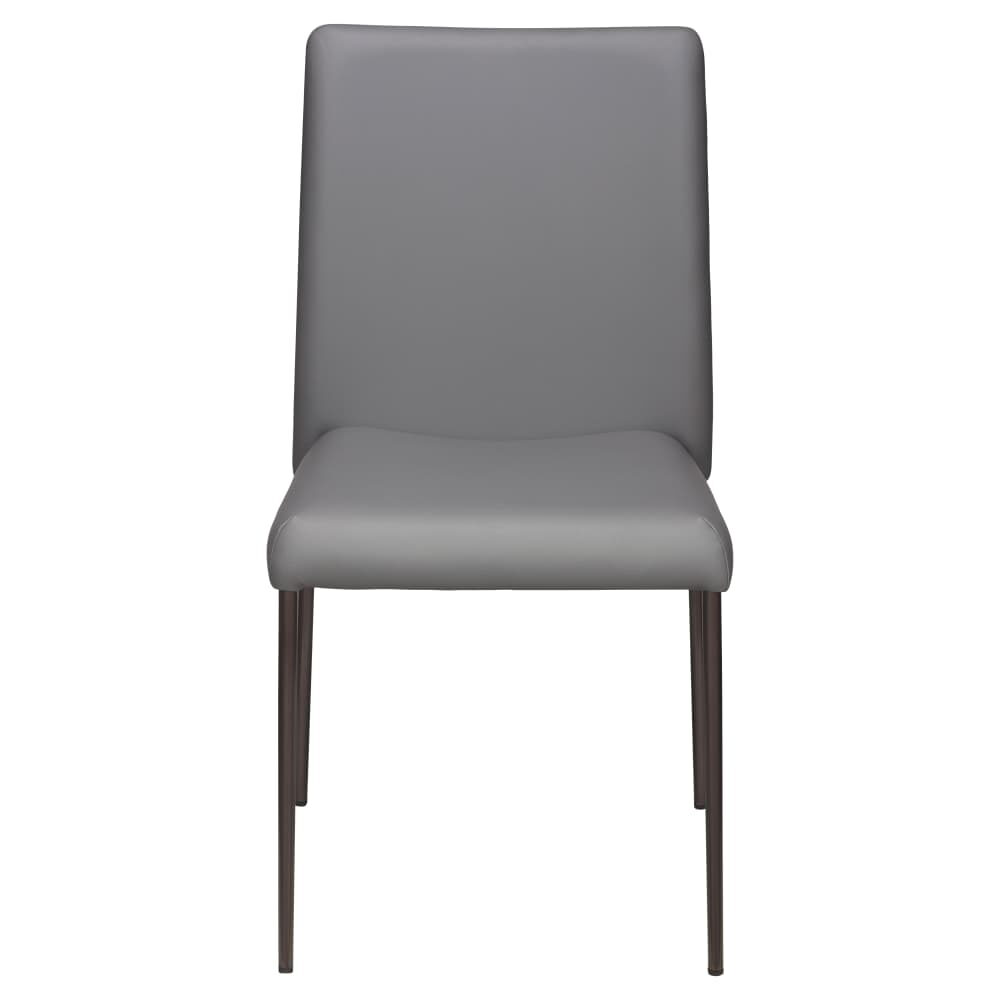
The slim aluminum banquet chair is a good measure of the type. It weighs 11 pounds, stands 34 3/4 inches tall on a frame 17 3/4 inches wide, stacks, and has padding on seat and back, covered in vinyl or fabric. Its frame finishes run from black and silver to gold vein and champagne gold, so one chair can serve a black-tie dinner and a company meeting.
For weddings that want a classic ballroom chair, the gold Chiavari chair is 17 inches wide, 12 pounds and stackable, with a padded seat in vinyl or fabric. For the head table, a padded steel banquet arm chair, 21 1/2 inches across, sets the couple's seats apart from the rows.
Weight is worth a second look. A setup crew of four moving 240 chairs from storage carries 60 each. At 11 pounds a chair, that is 660 pounds per person before the tables come out. Every pound off the frame comes off that total too.
Folding tables, counted by the foot
Tables carry the plan. Two in our folding tables suit a hall that changes often.
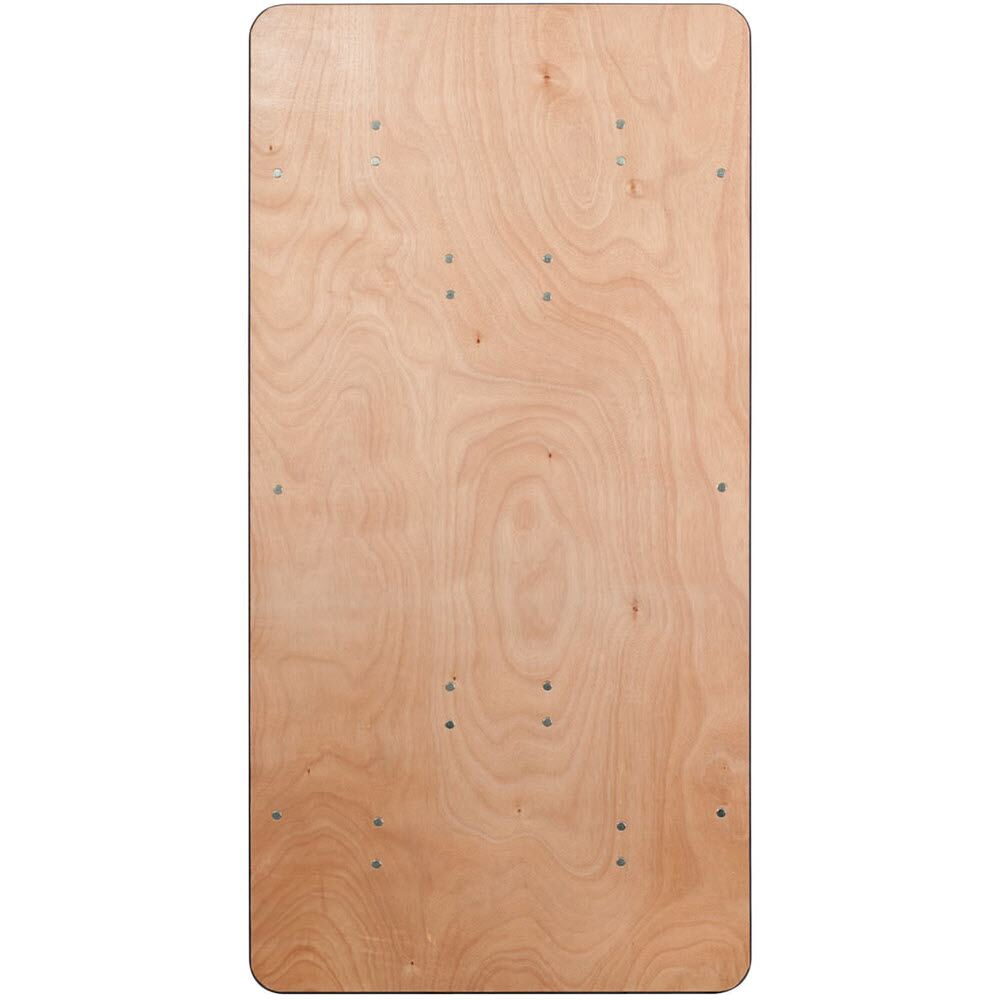
The wood folding banquet table pairs a natural wood top with a steel base, 30 inches high, and comes five, six or eight feet long, each 30 inches deep. The bi-fold granite plastic table matches that height and those lengths, adds a 34-inch square, and has a top 1 3/4 inches thick; its record allows indoor and patio use.
Now the counting. Allow each diner about 24 inches of edge. Divide an eight-foot side, 96 inches, by 24 and you get four guests a side, so eight to a table with nobody on the ends. Six feet gives 72 inches: three a side, six to a table. A dinner of 240 therefore needs thirty eight-foot tables or forty six-foot ones.
Here is the rule of thumb for a venue: buy the long tables for dinners, then add a handful of the 34-inch squares for registration, cake, gifts and the coffee station. Small squares earn their place at almost any event, from a wedding to a Monday workshop.
A short bar along one wall
Most events want a bar, and most halls run it along one wall. A few stools at either end give older guests somewhere to sit while the rest of the room stands.
At 24 to 30 inches a stool, a 12-foot bar front takes four to six. Keep it short: in an event room the bar is for ordering, and too many stools block the line. The full range of bar stools works here; for a hall that also runs a members' bar, our notes on club furniture cover the mix.
The storeroom is part of the room
A common mistake is buying for the largest event and forgetting where the furniture lives the other five days. Two hundred and forty stacked chairs and thirty folded tables take real floor, and a storeroom that holds them only with the door propped open turns every changeover into a puzzle.
Before ordering, measure the storeroom and its door. Plan the stacks so the chairs needed first come out first, and keep the tables on their edges along one wall. Carts and dollies for moving stacks belong in the same plan.
A word on the order itself: we ask for at least eight pieces per order, tables and chairs counted together, and someone on our side reads each order before we confirm it. For a hall, that review is a good moment to check the count against the storeroom one more time.
One plan for each way the hall is set
Open a plan in venue plans for the dinner setup, with chairs, long tables and the small squares as separate lines. Copy it for the meeting setup and adjust the counts, so both versions sit side by side. Request free upholstery samples for the banquet chairs and hold them under the hall's own lights before you choose. For more on furnishing a whole house room by room, see our guide to hospitality furniture, and for tables that fold away in a dining hall, read cafeteria tables.
Then walk the hall on the morning after an event, while the crew is still clearing it. Time how long the chairs take to reach the storeroom. That number, more than any photograph, tells you which chairs to buy.