Bar stools
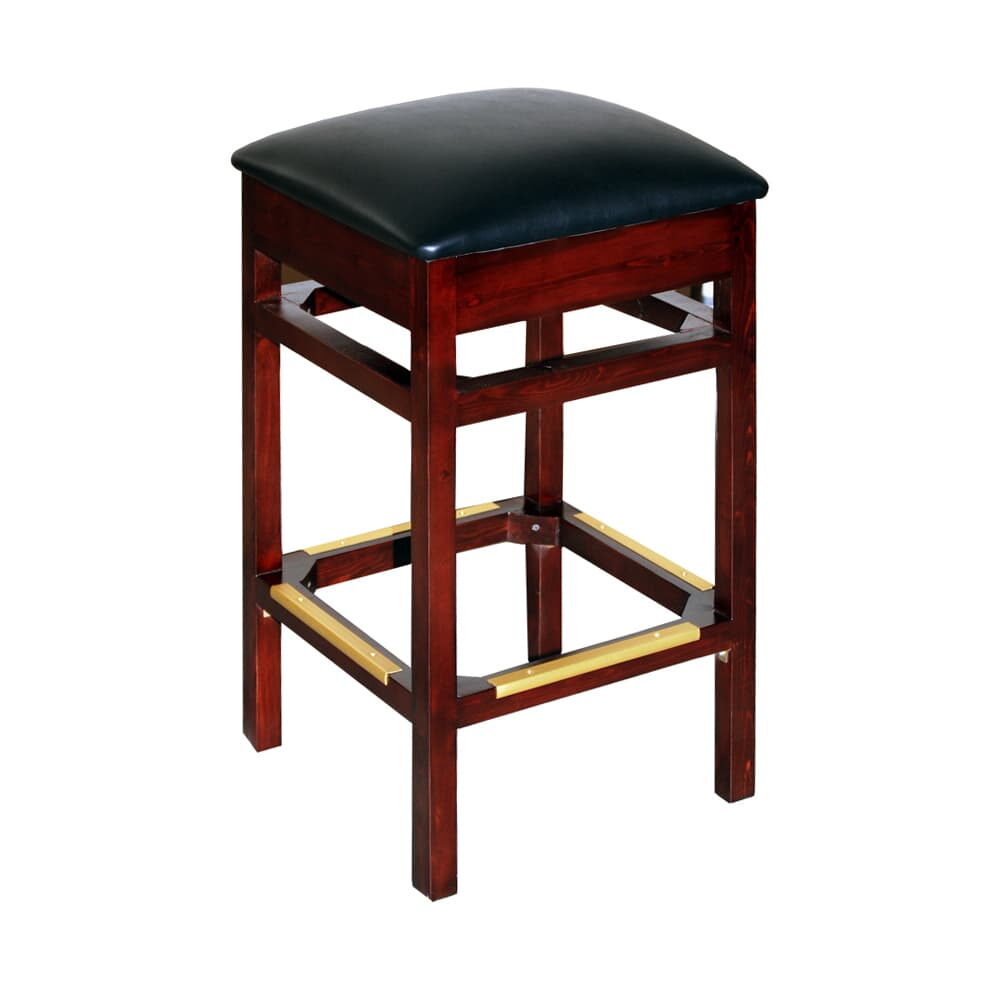
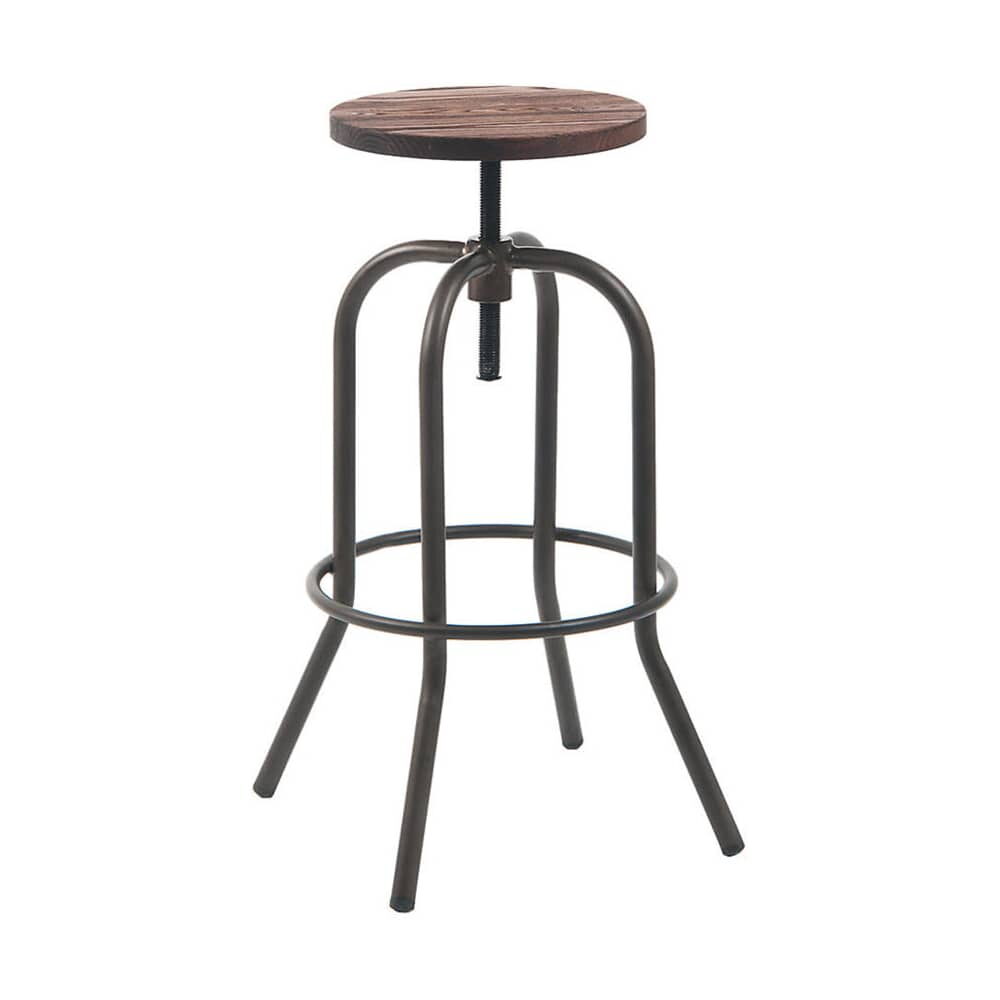
Bar Stool in Wood, Backless
- Wood frame
- 19" W x 19" D x 28 1/2" H
- Indoor use
From $136.00Set the options
CompareSeat the room, then the details
A narrow bar with staff squeezing past behind the stools is where a backless stool earns its place. These 34 stools have no back to catch an elbow or a tray, and they slide right under the bar top when the room is quiet.
34 listed products · Prices in USD · Options on each product
A closer look at this selection
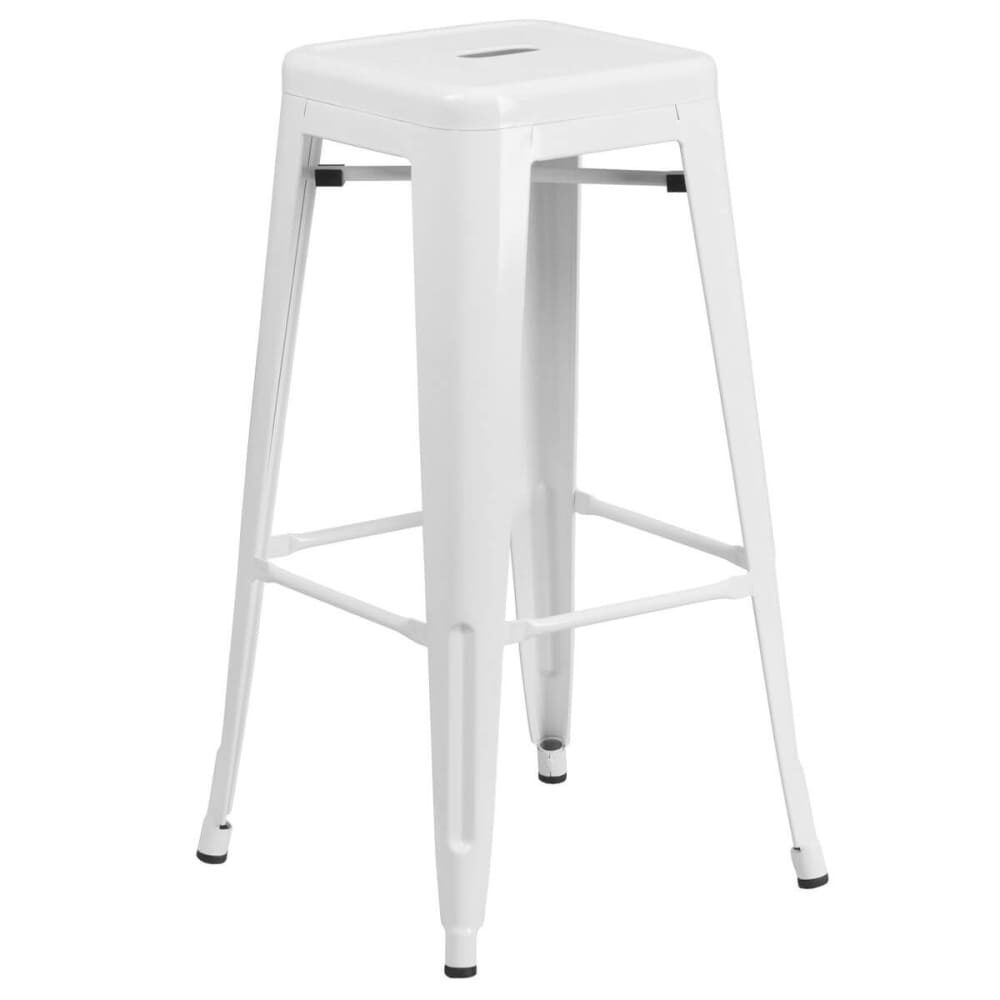
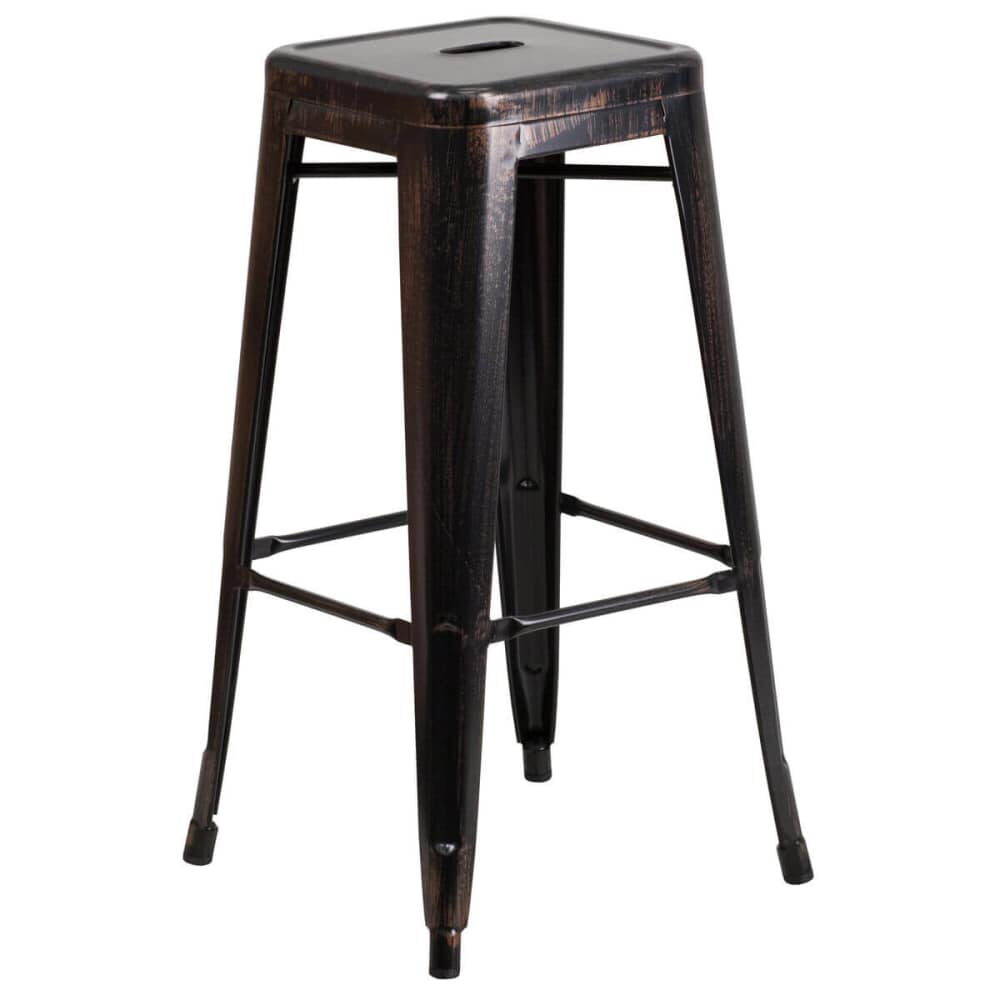
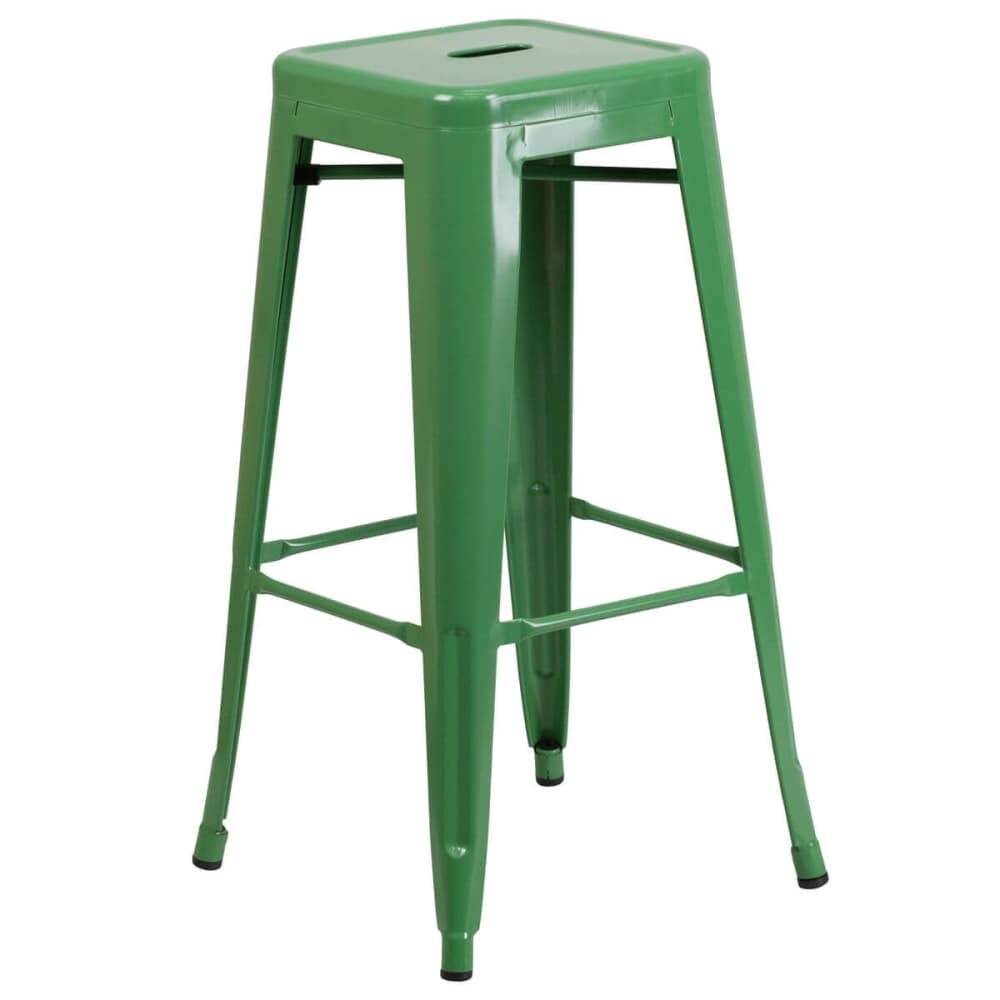
Actual product images. Open a piece to see its available options.
Bar stools
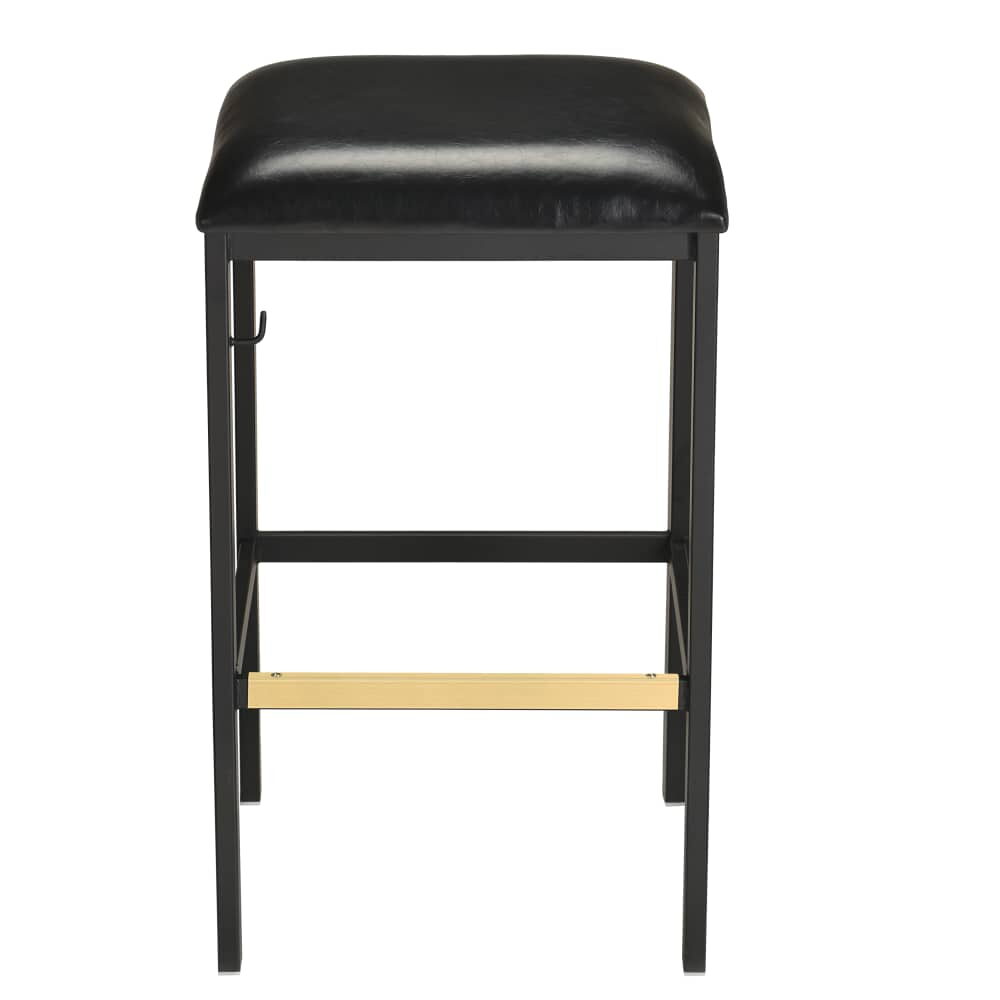
Bar stools
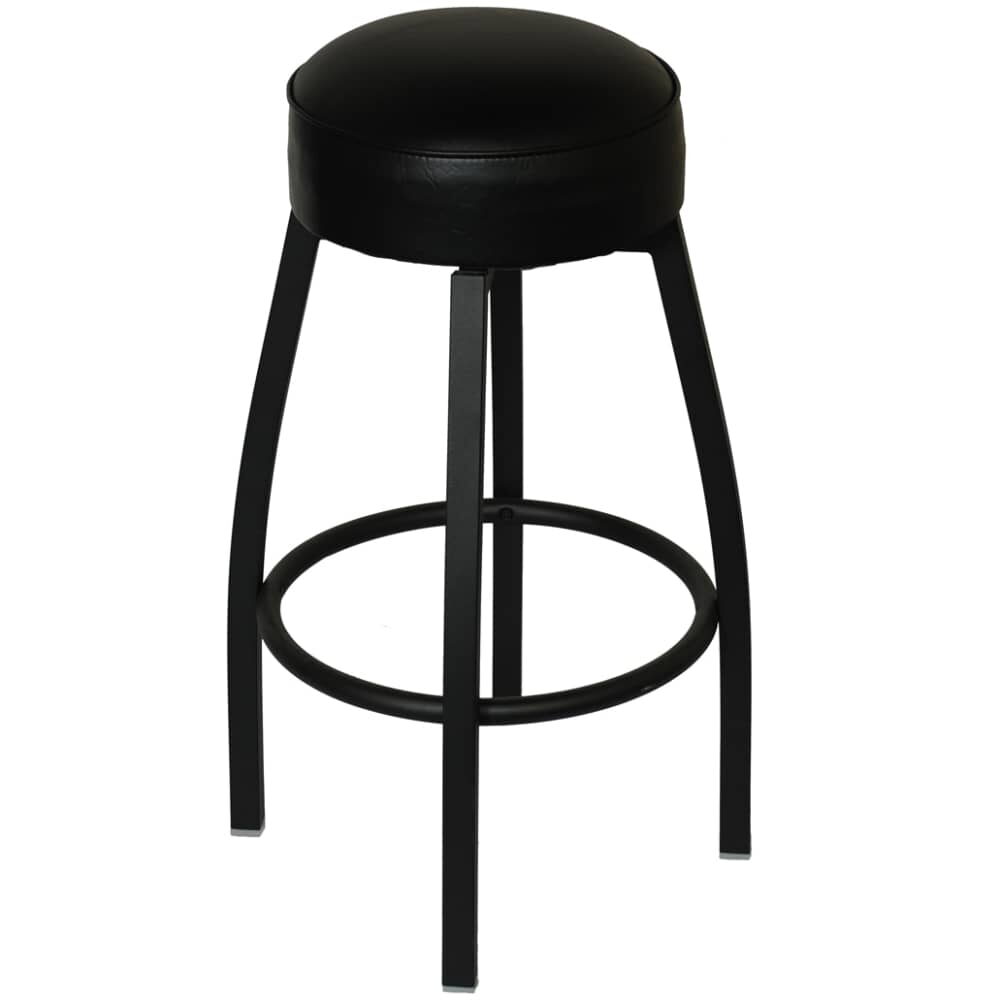
Bar stools
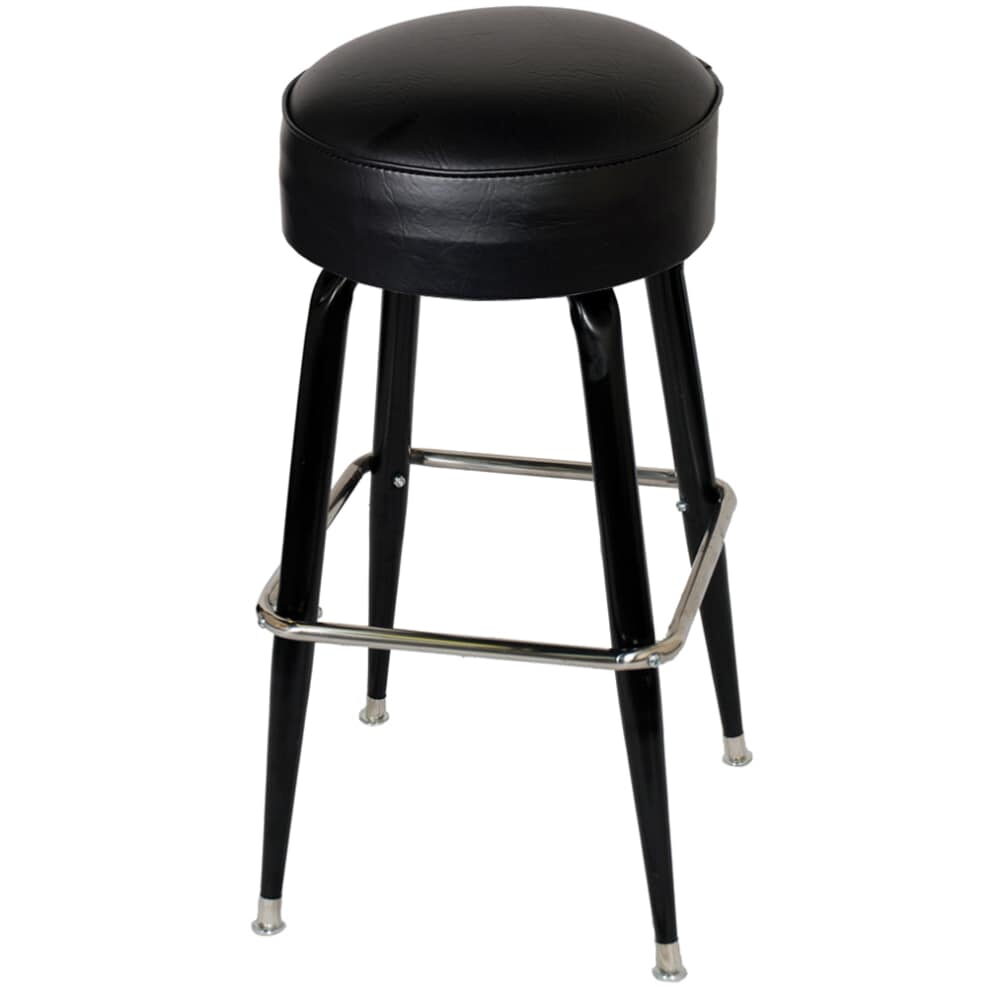
Bar stools
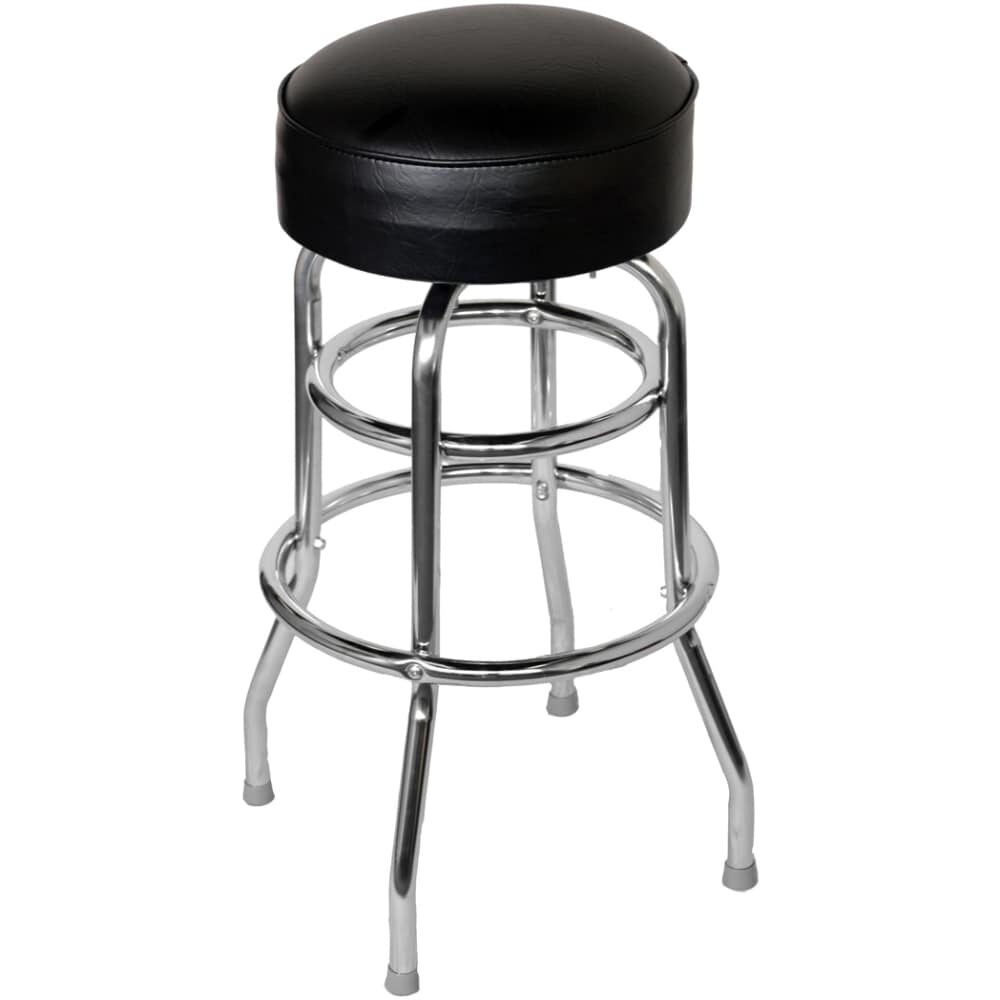
Bar stools
Bar stools
Bar stools
Bar stools
Bar stools
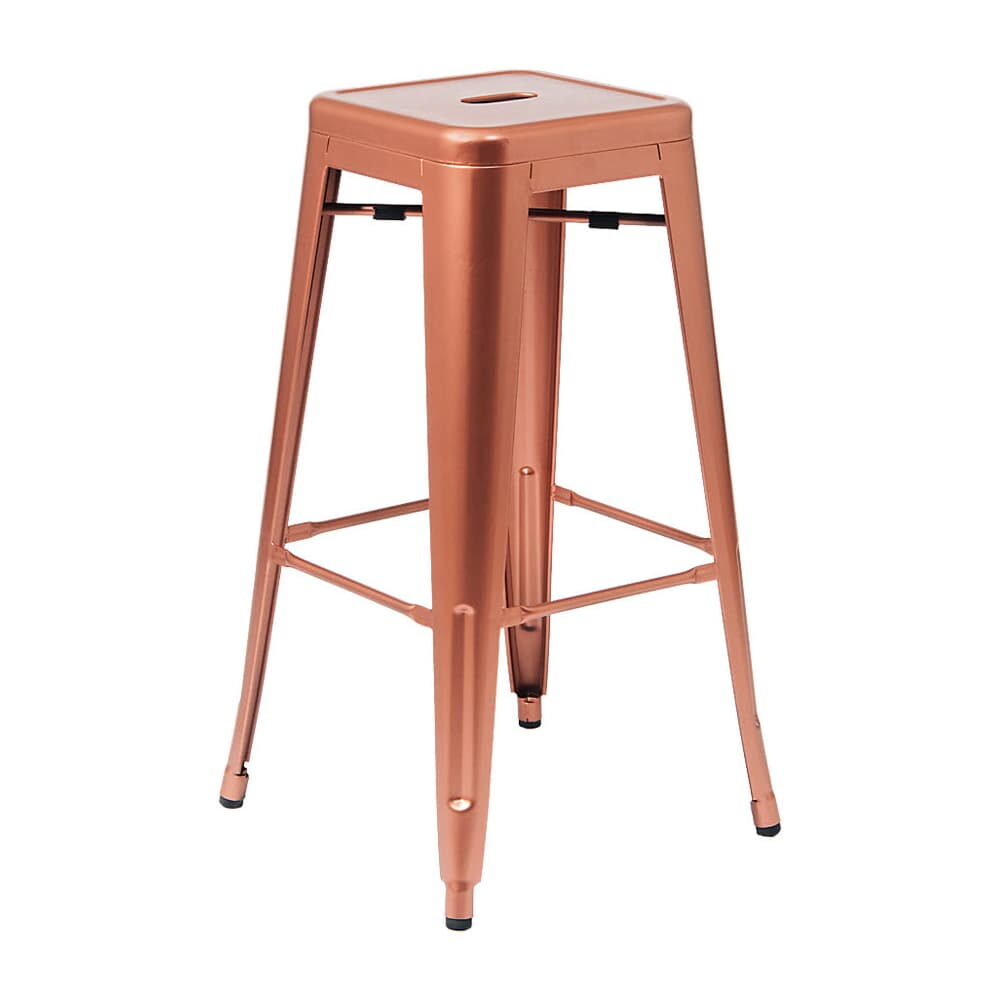
Bar stools
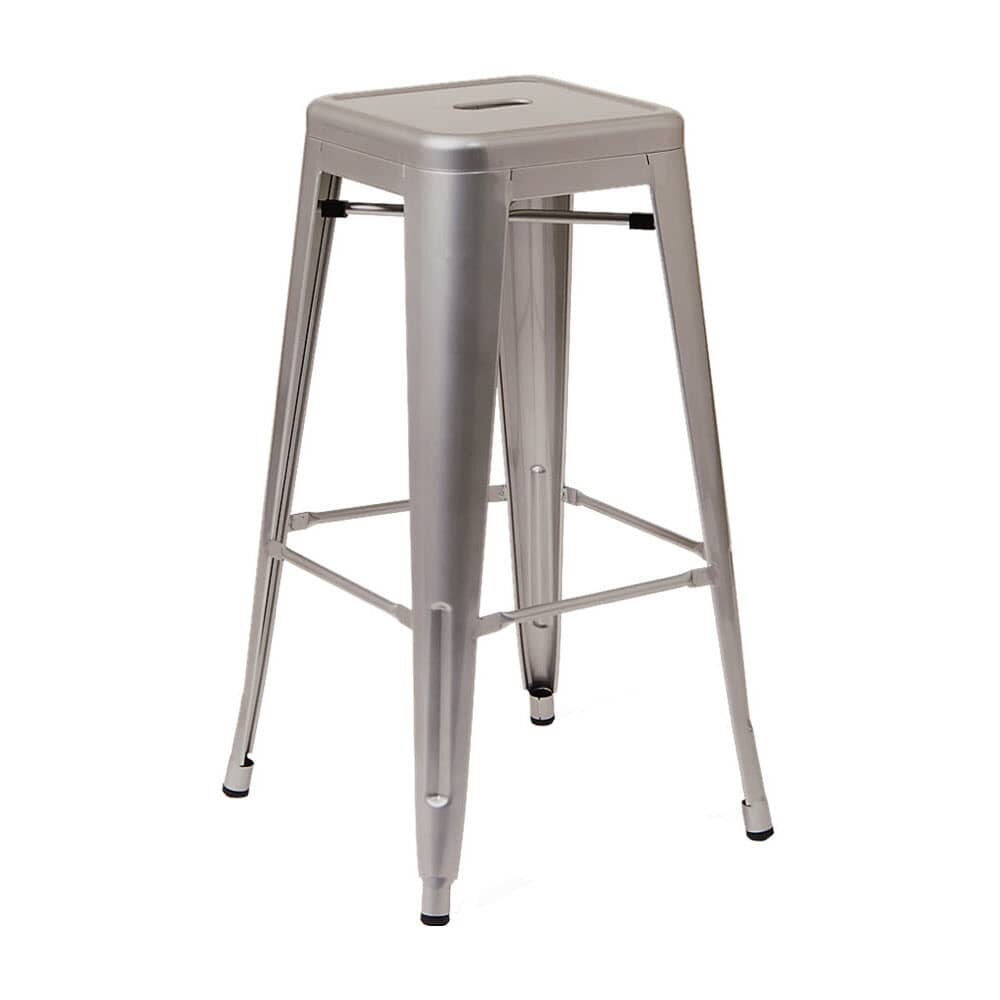
Bar stools
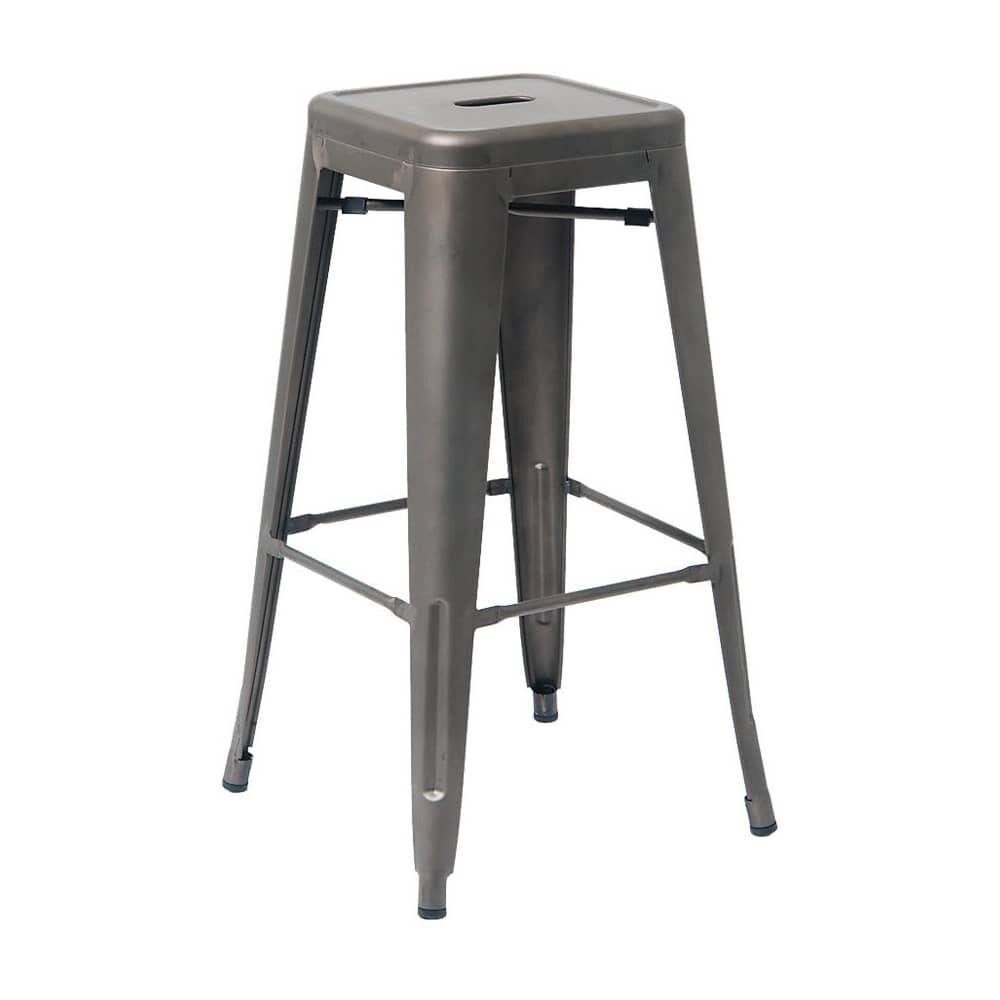
Bar stools
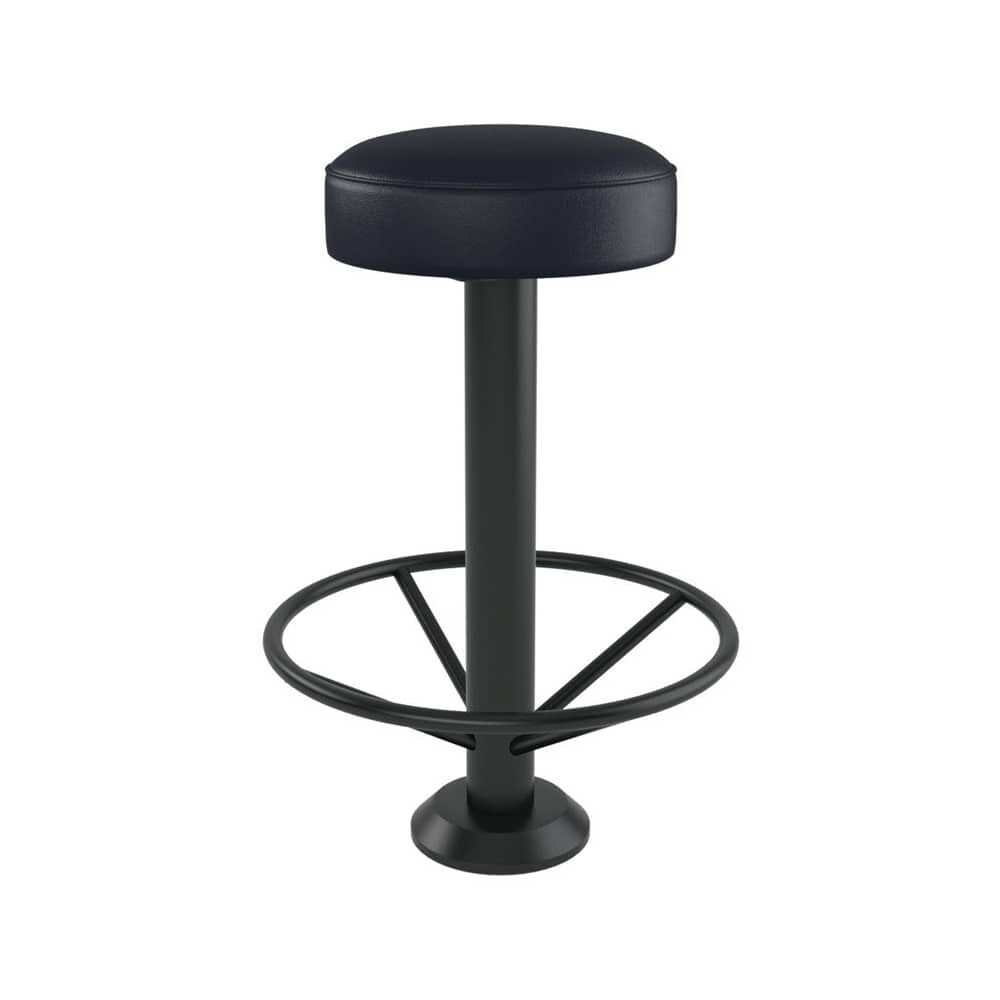
Bar stools
Bar stools
Bar stools
Bar stools
Bar stools
Bar stools

Bar stools
Bar stools

Bar stools
Bar stools
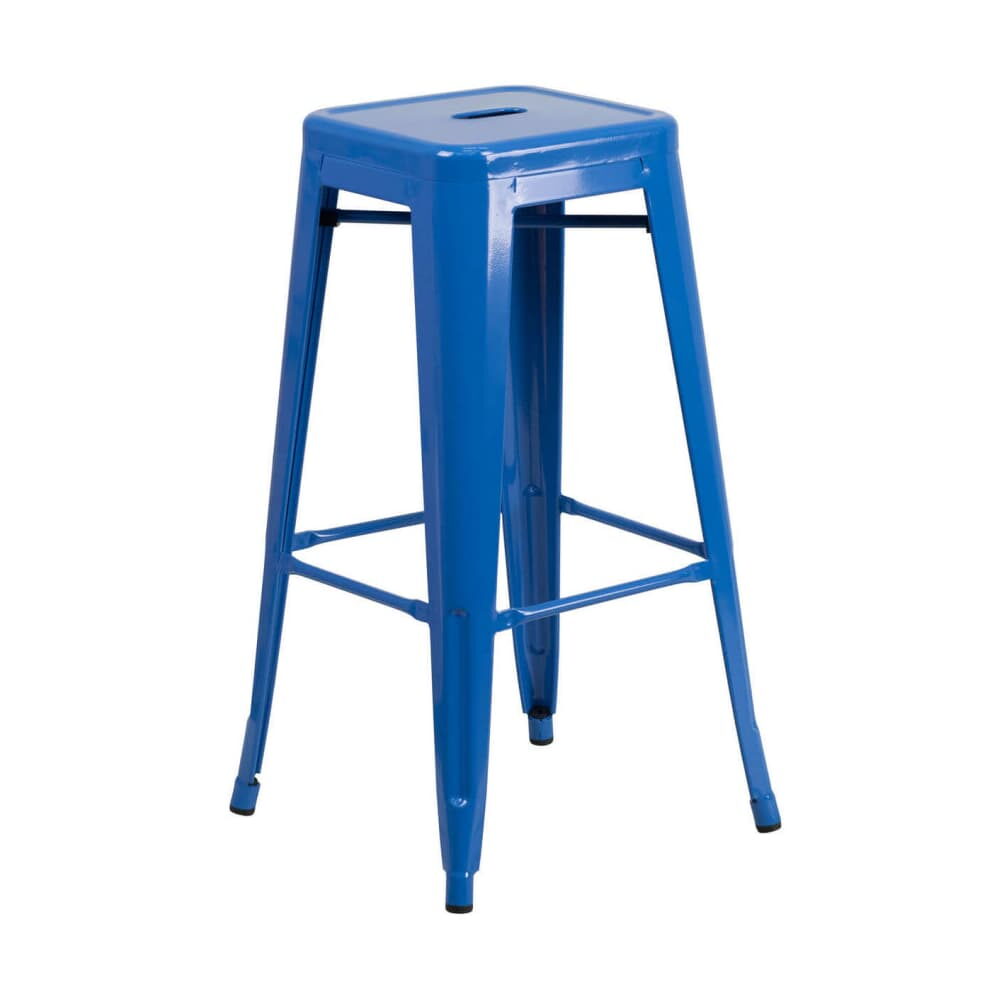
Bar stools
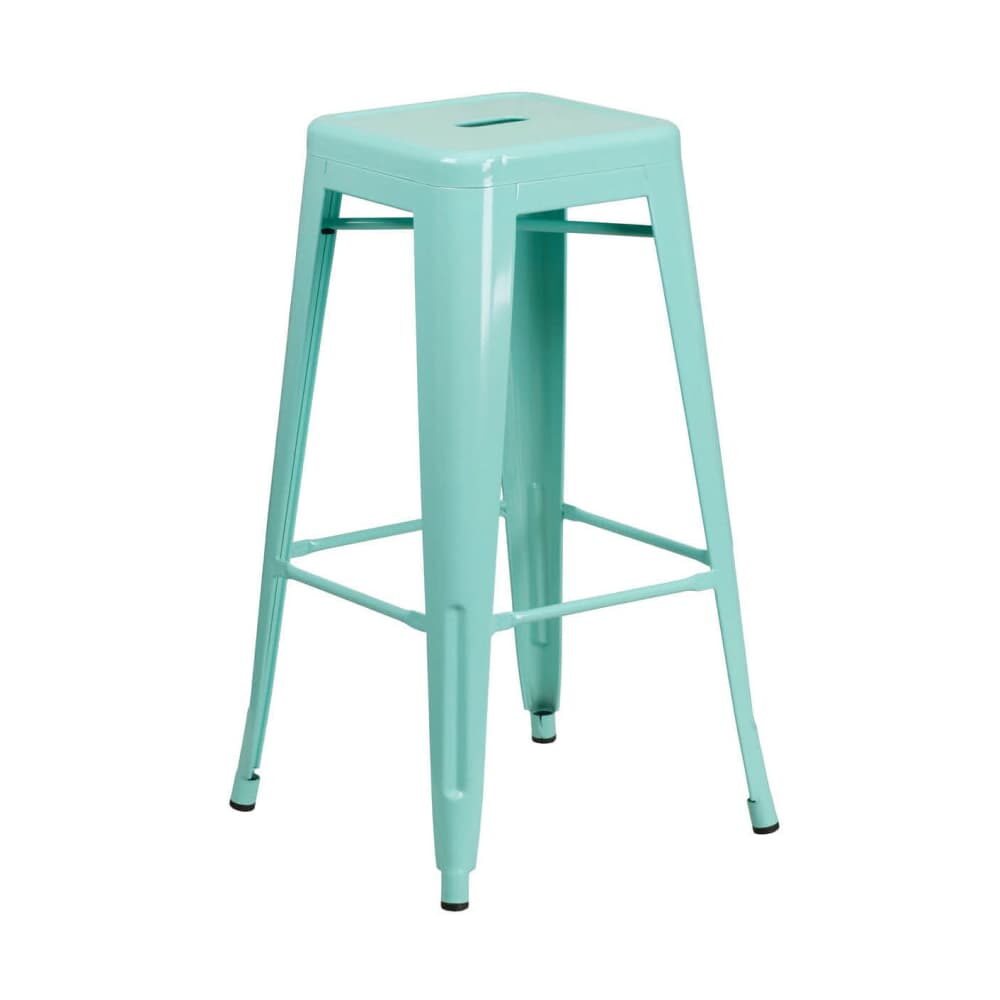
Bar stools
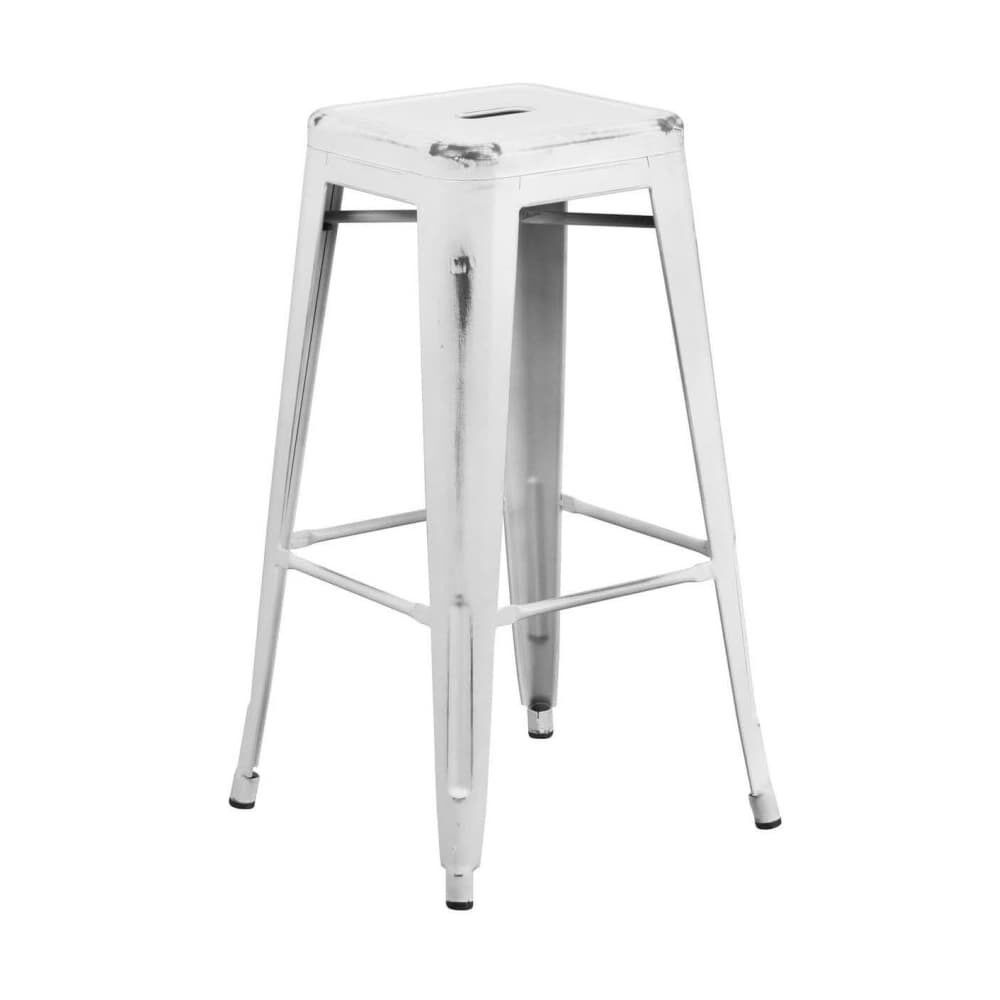
Bar stools
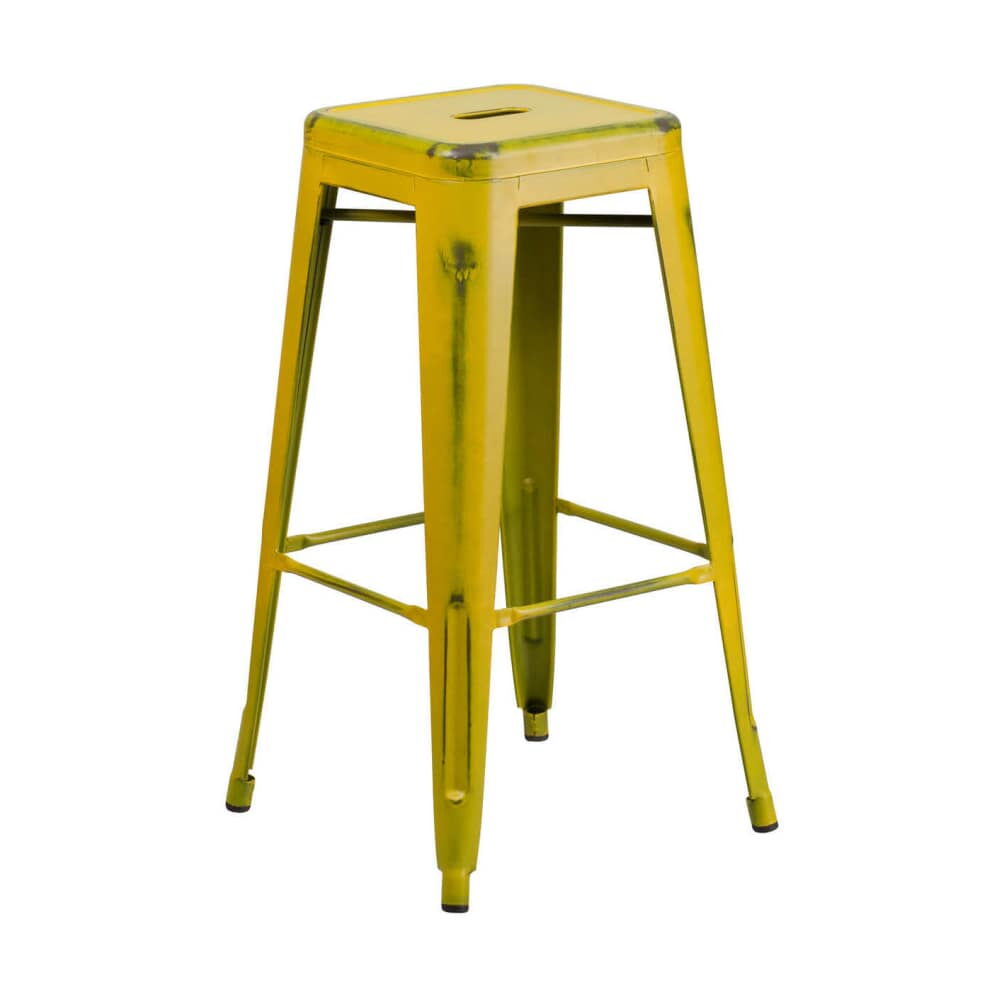
Bar stools
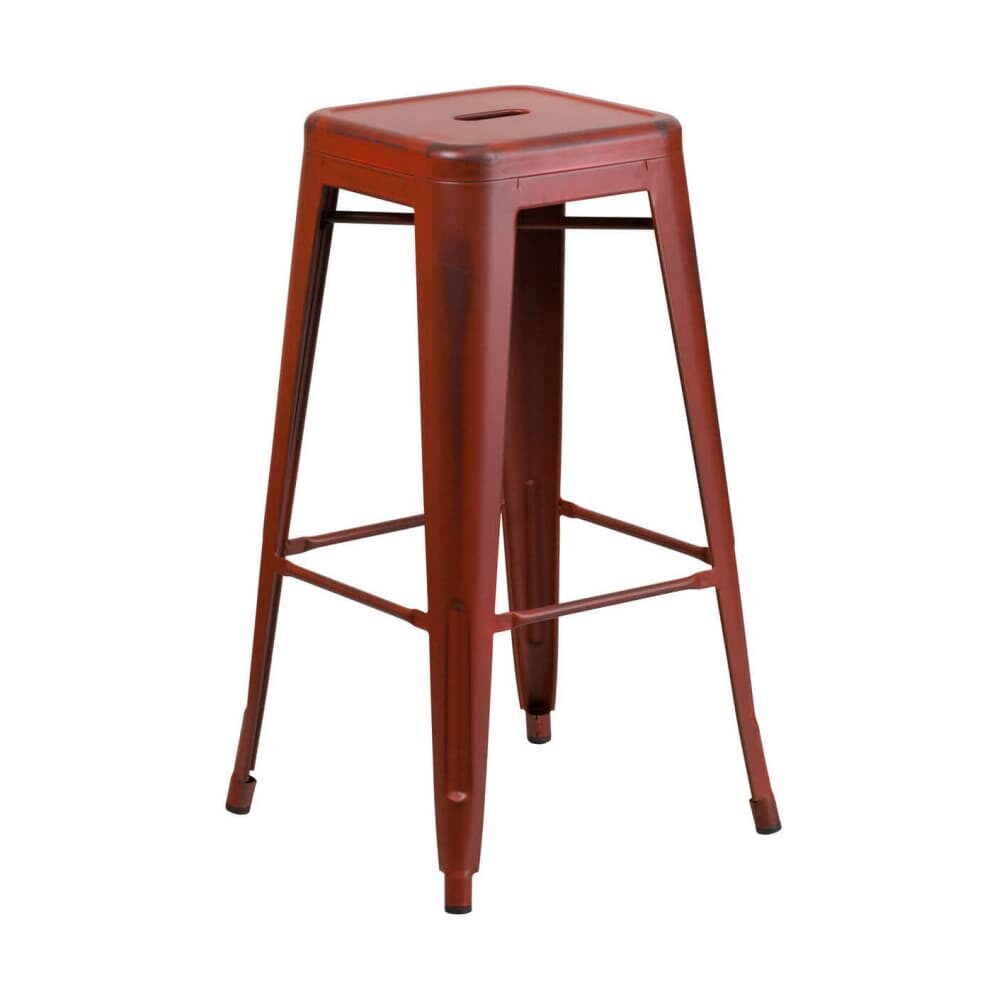
Bar stools
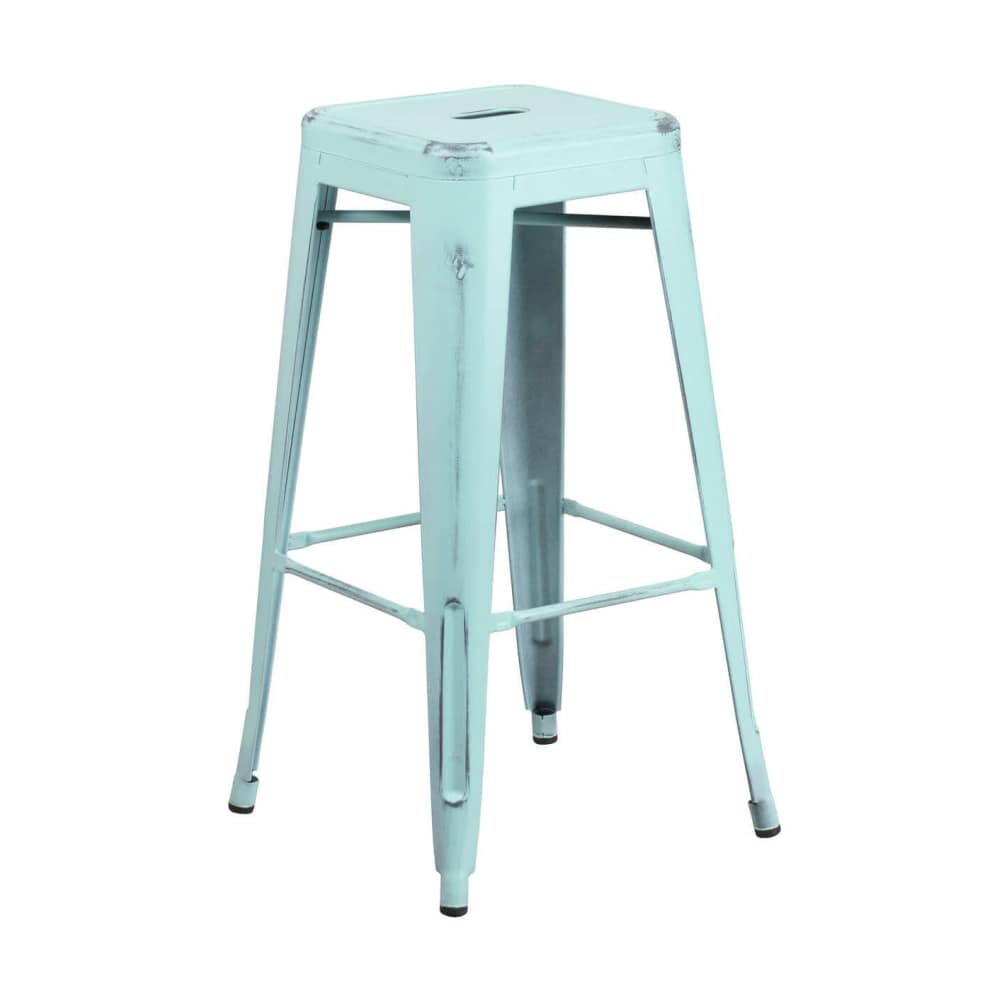
Bar stools
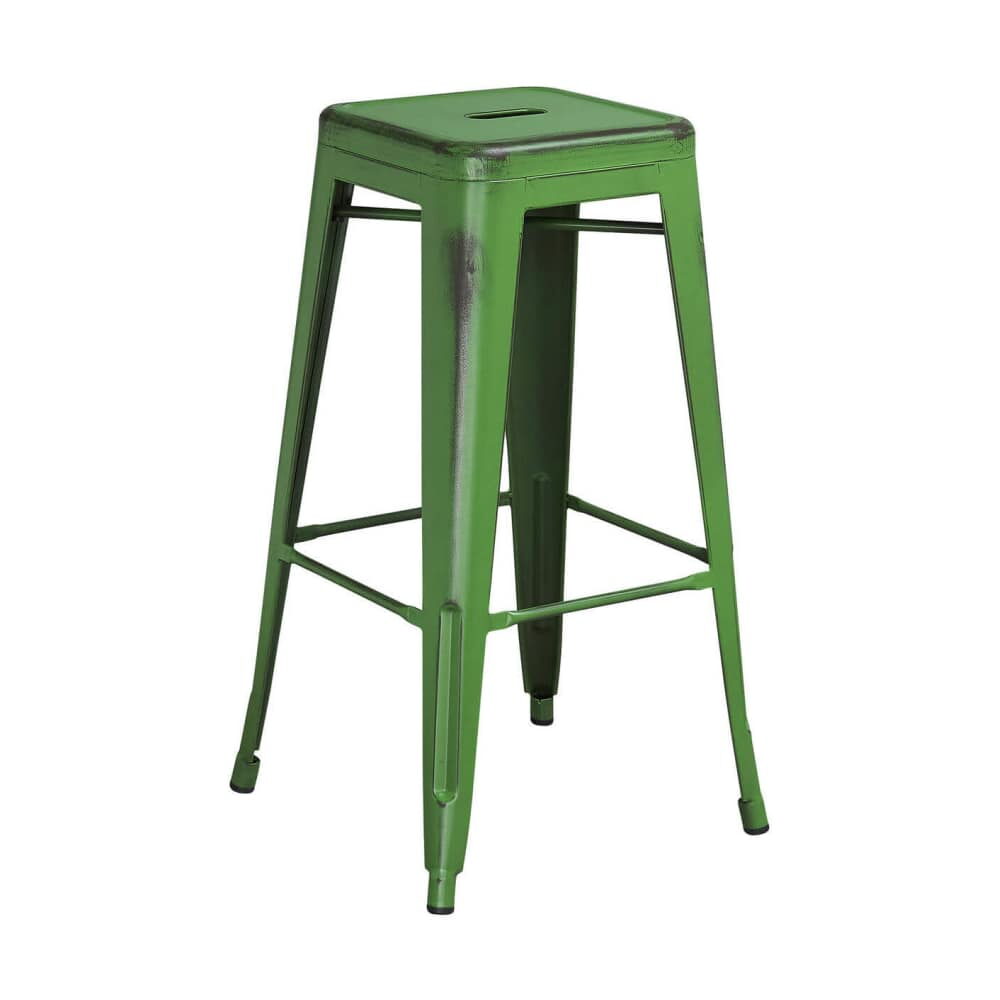
Bar stools
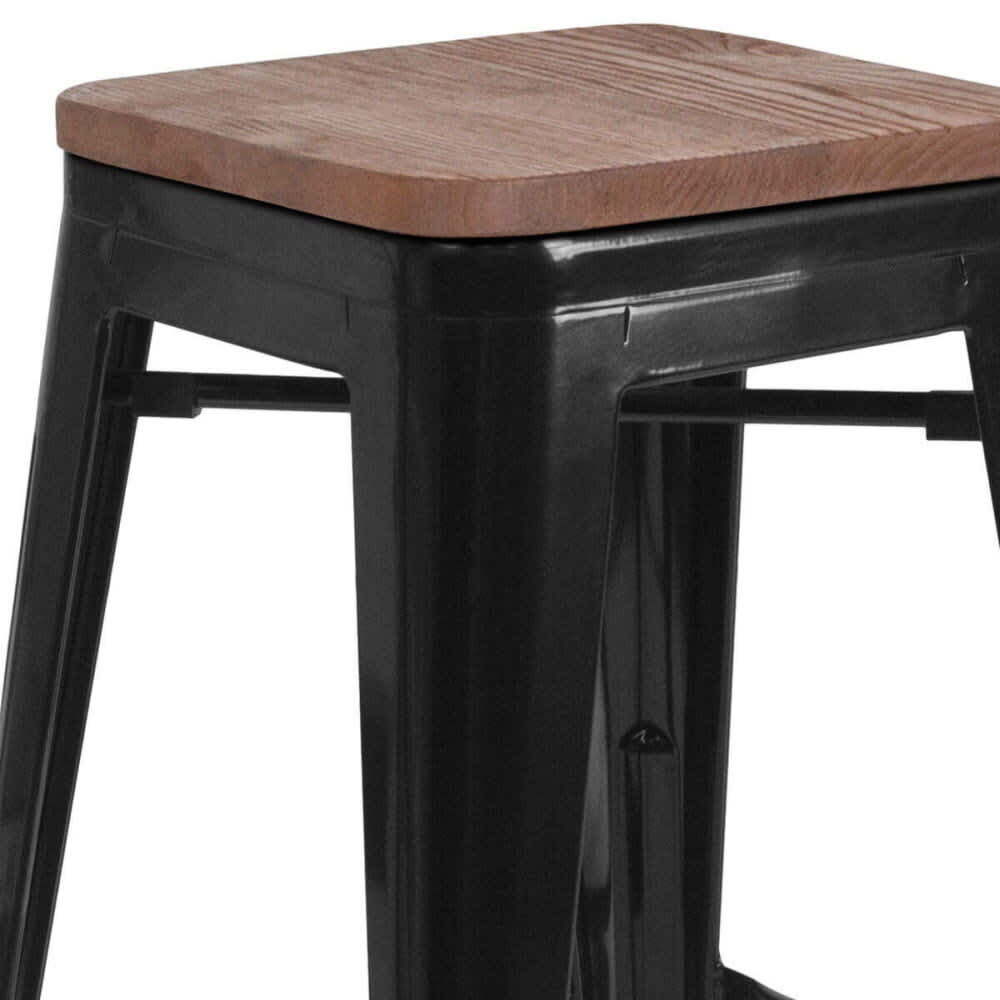
Bar stools
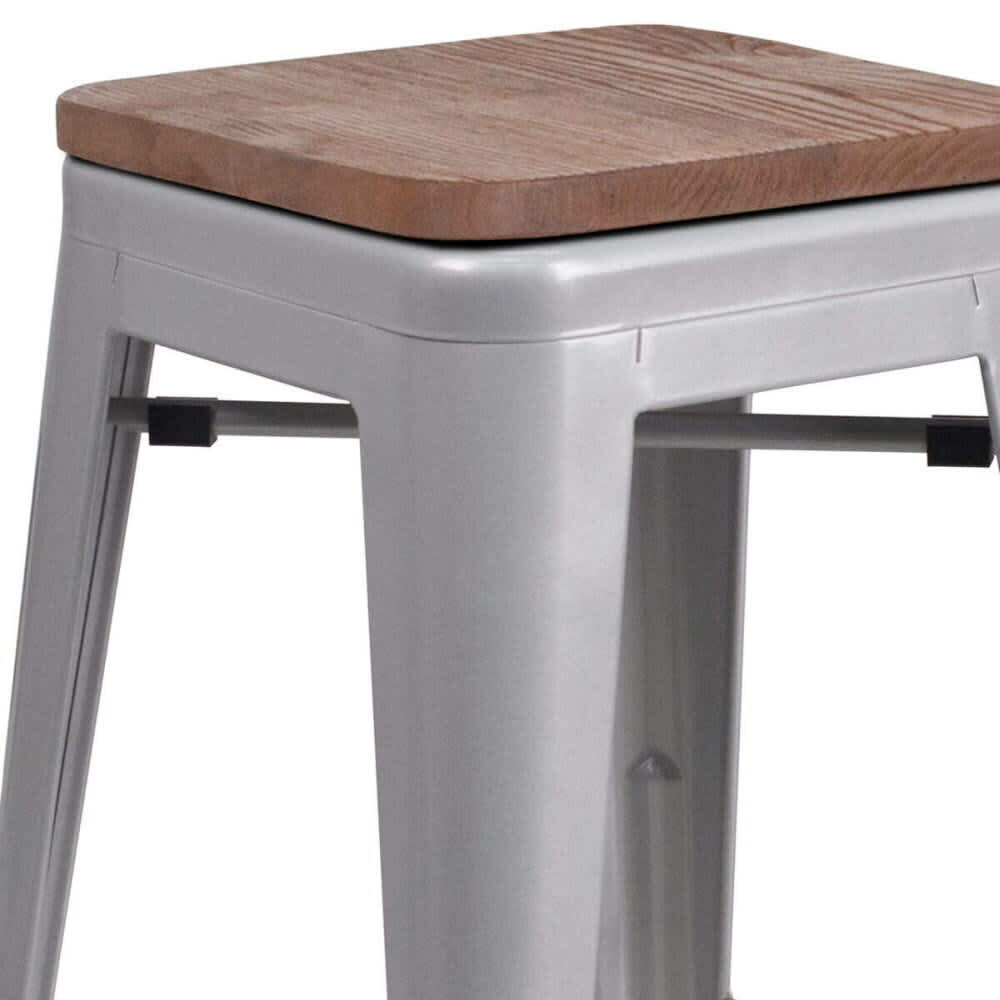
Bar stools
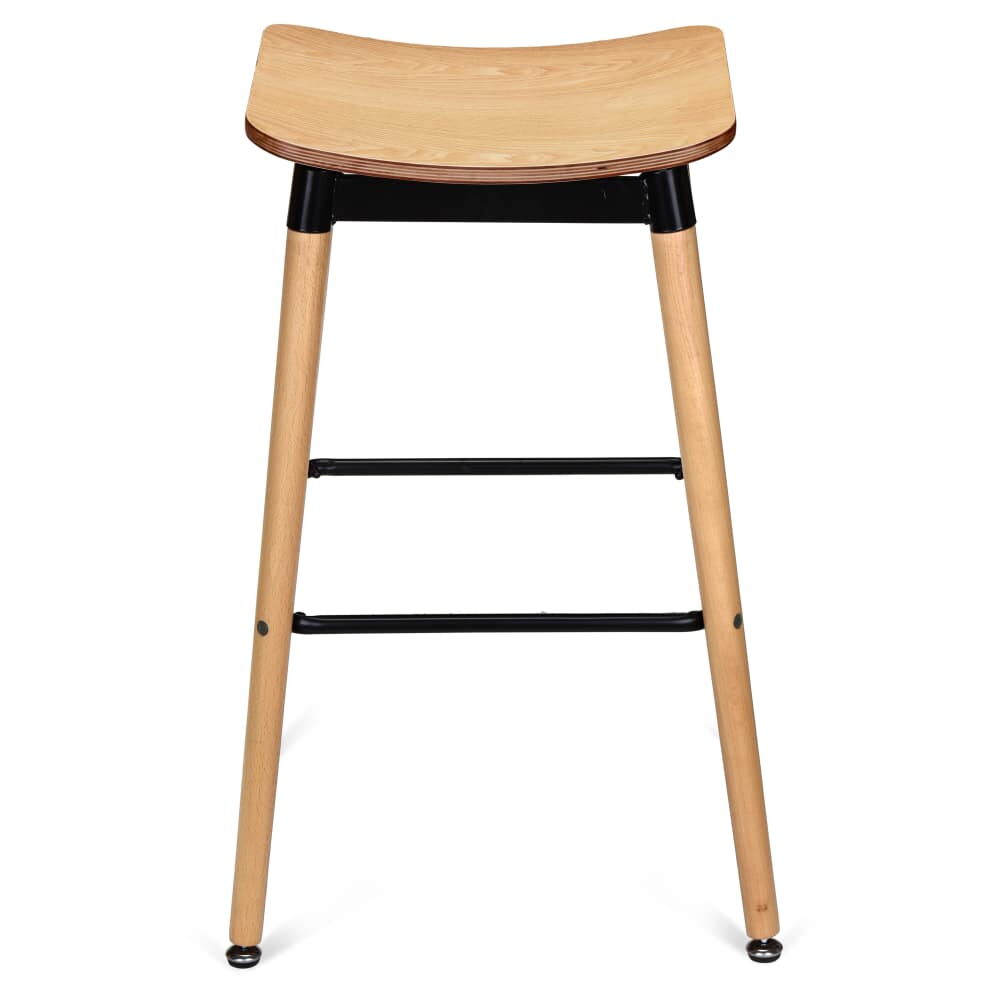
Bar stools
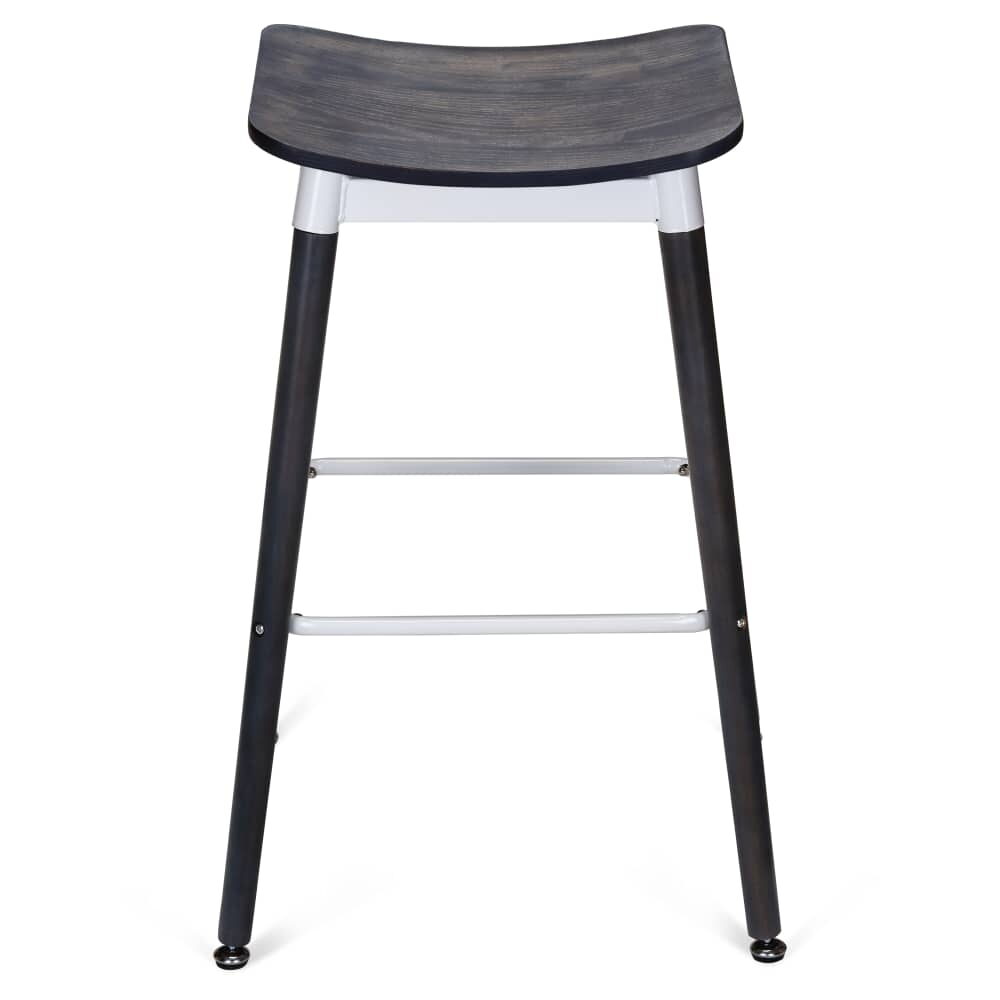
Bar stools
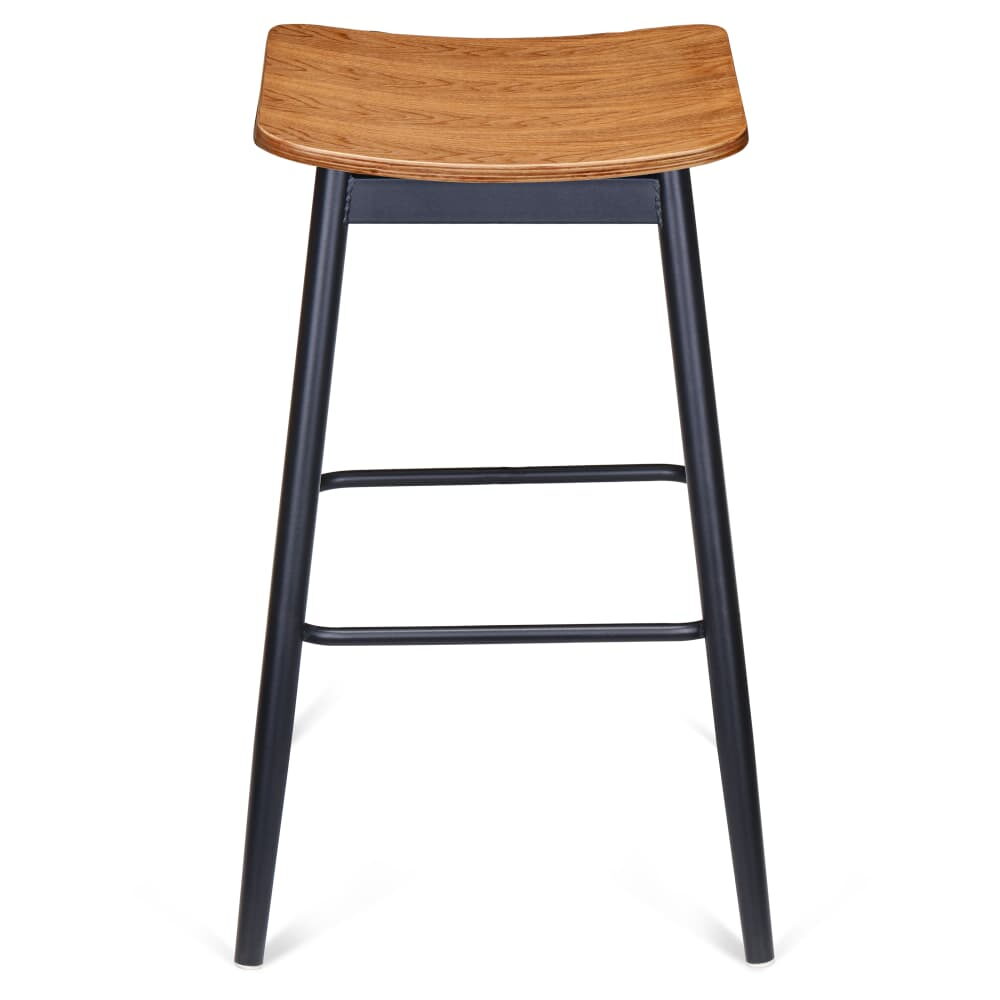
Bar stools
Backless bar stools
Think about the room this piece will live in before you settle on it. A banquet hall that clears every Sunday wants chairs that lift and stack, while a bar with regulars wants a stool that stays put. Save each choice to the venue plan for that room, with its finish noted, so a second order matches the first.
Backless seats slide under the counter between guests, so backless bar stools fit a bar where the aisle behind the stools is tight and most visits are a quick drink.
A backless outline leaves less visible furniture above the counter. Still check the seat size, listed height, and footrest position against the counter and the way guests will reach the seat.
Check the listed seat height against the counter or bar where the stool will be used. Measure the underside as well as the top surface, and account for aprons and footrests.
A narrow bar with staff squeezing past behind the stools is where a backless stool earns its place. These 34 stools have no back to catch an elbow or a tray, and they slide right under the bar top when the room is quiet. Measure the bar height and the aisle behind it, then choose between swivel and fixed.
Some bars are for a long evening and some are for a quick drink. The second kind, the bar where guests wait twenty minutes for a table or stop on the way home, rarely needs a back on its stools. A backless seat keeps the line along the bar low, leaves the view across the room open, and gives servers a clear lane behind.
Watch the aisle. Measure from the bar front to the nearest wall or table, and remember a guest sitting sideways takes more of it than you'd think.
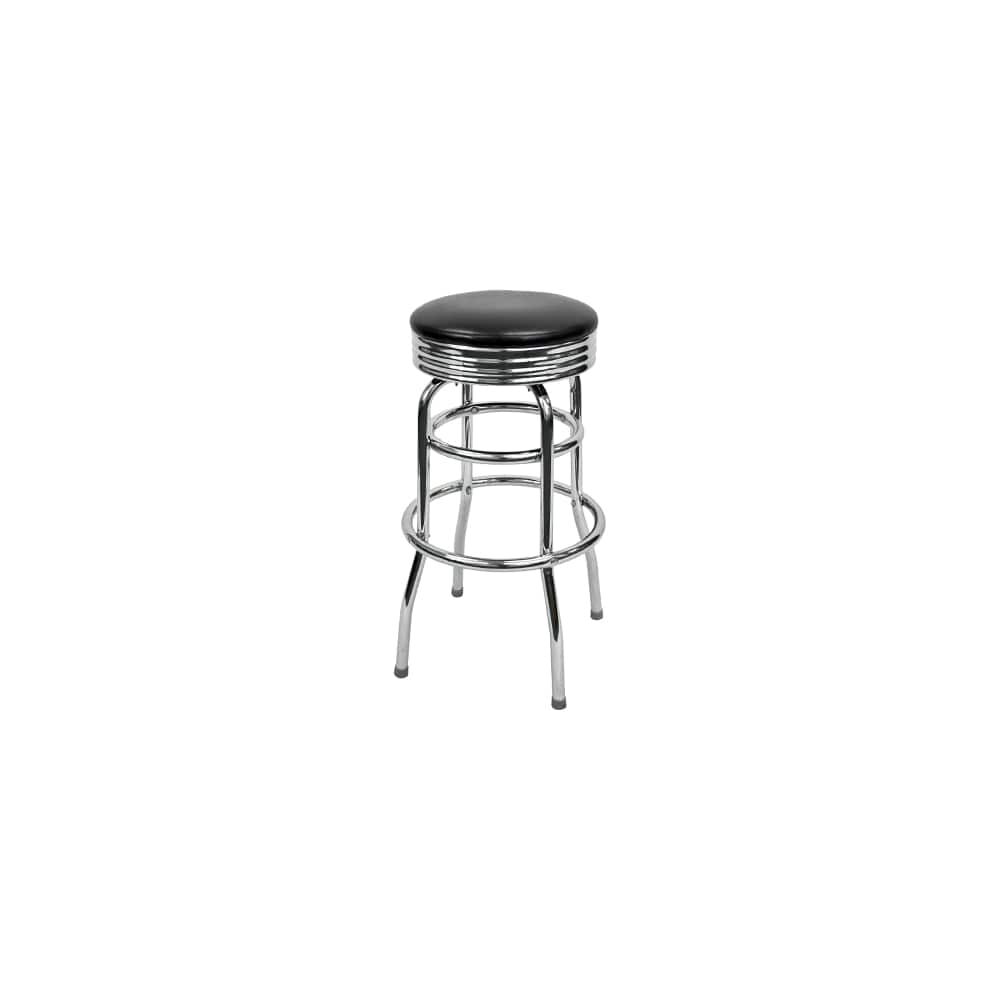
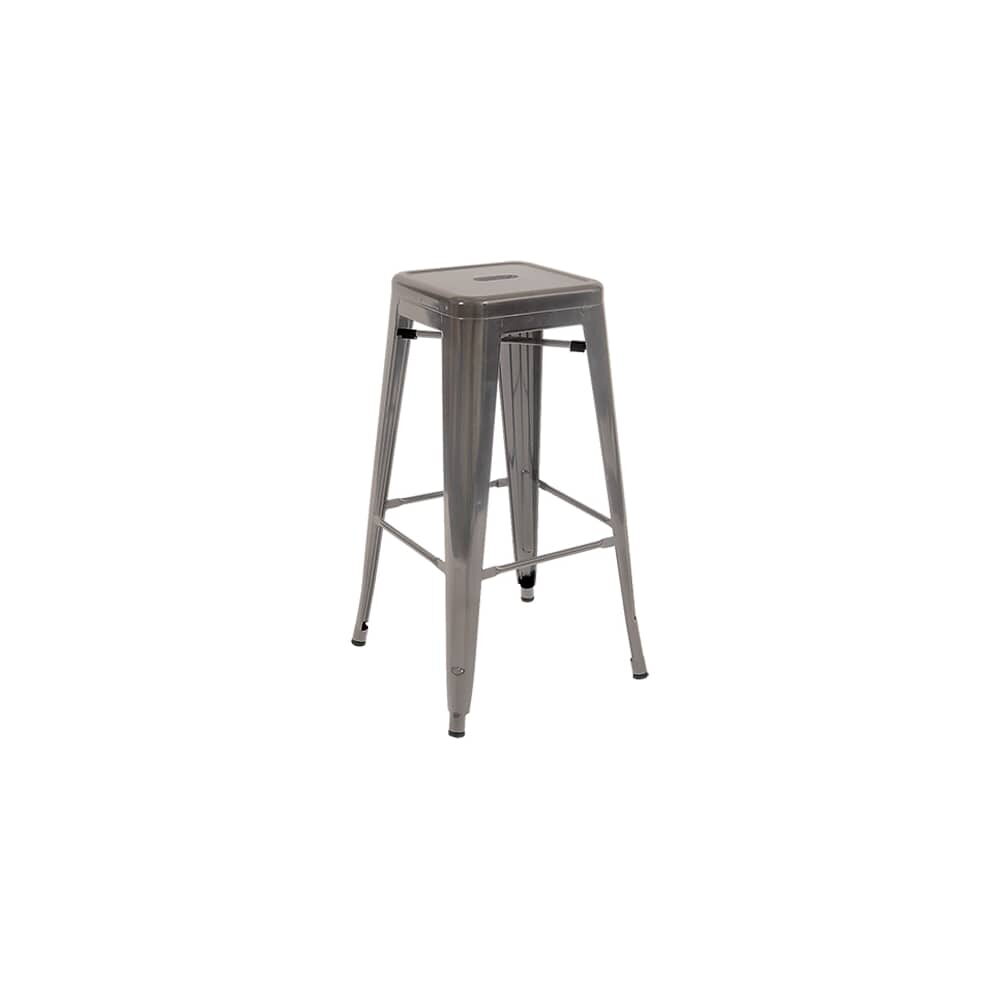
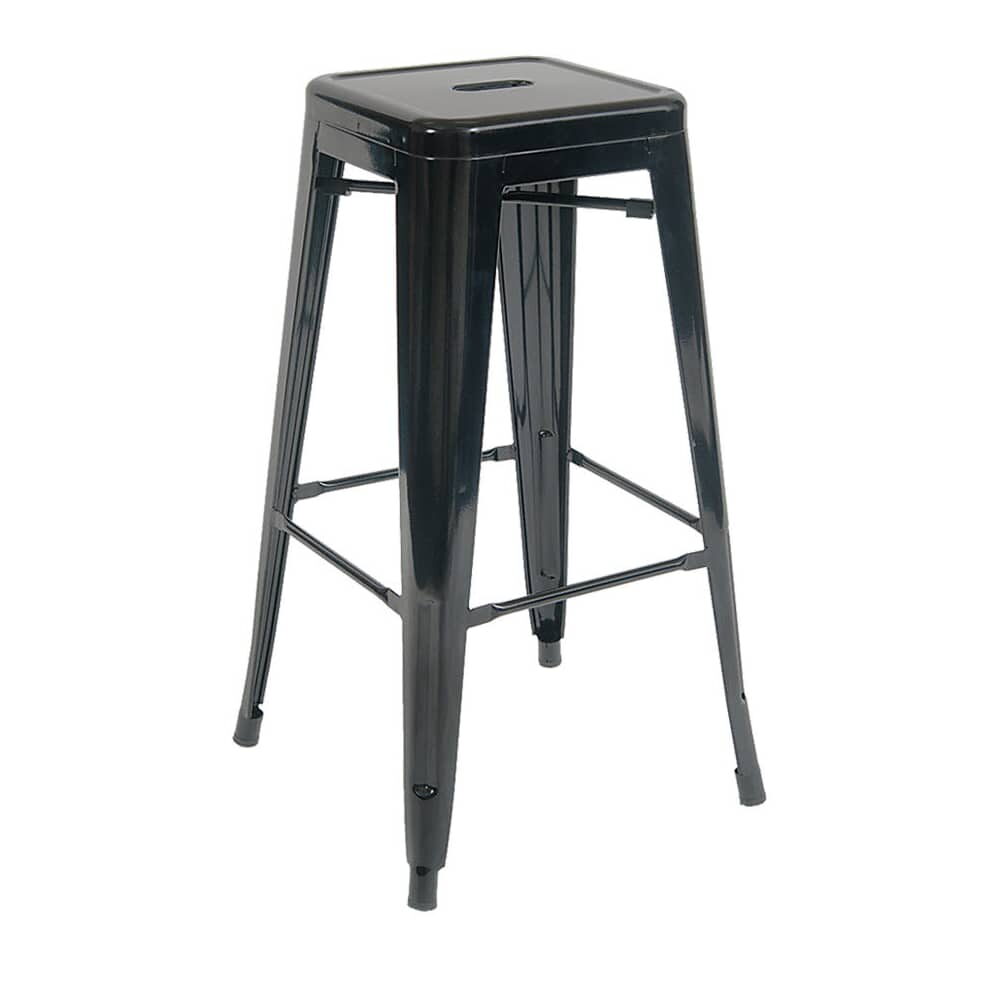
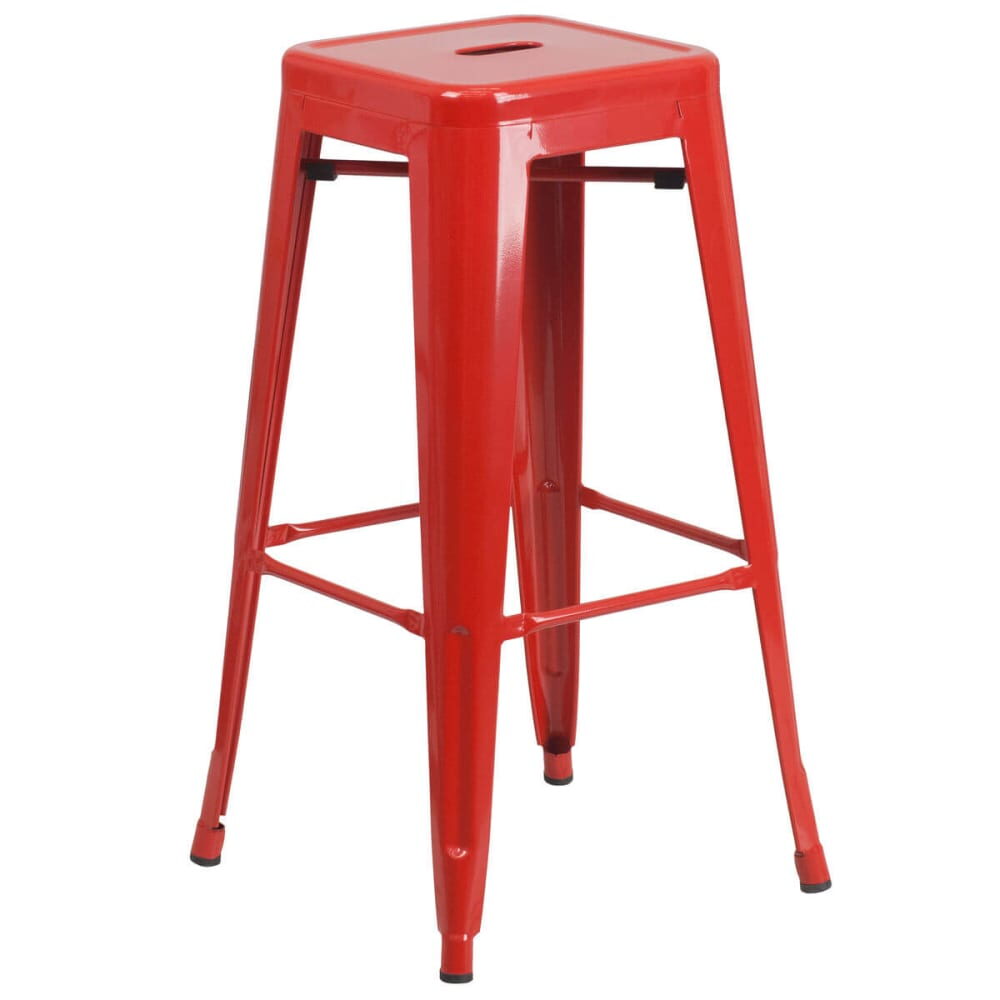
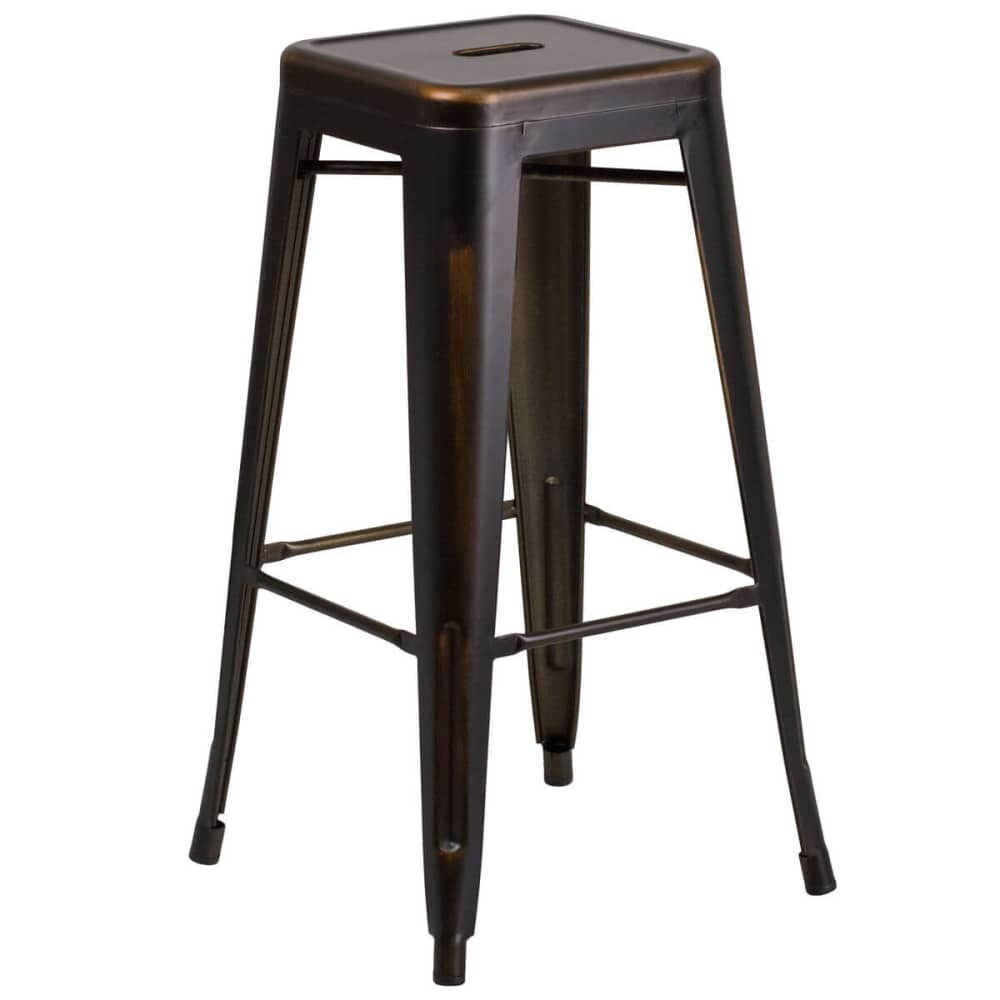
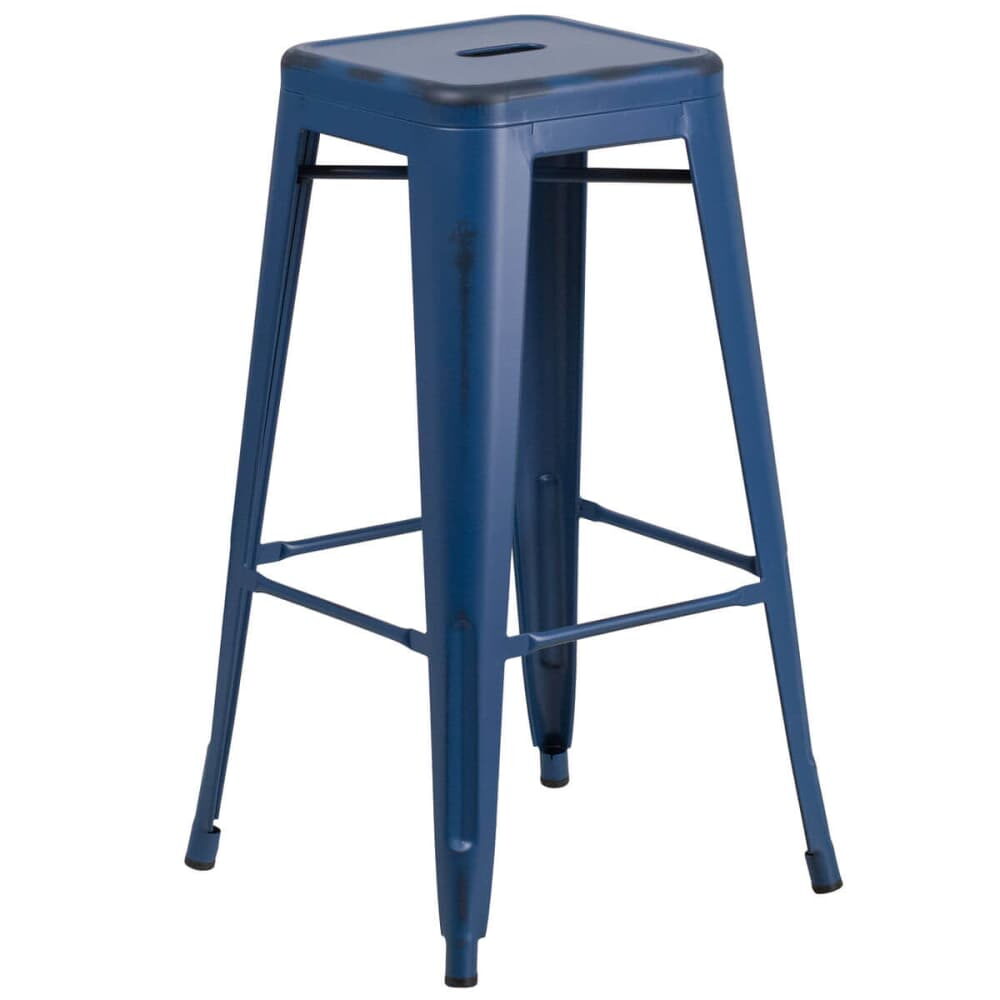
Retro stools lead here with nine, the round diner seat, and more of that look lives under retro bar stools. Six are tolix style, the riveted metal seat of a bistro or taproom, also found under tolix style bar stools. Seventeen frames are metal and one is wood.
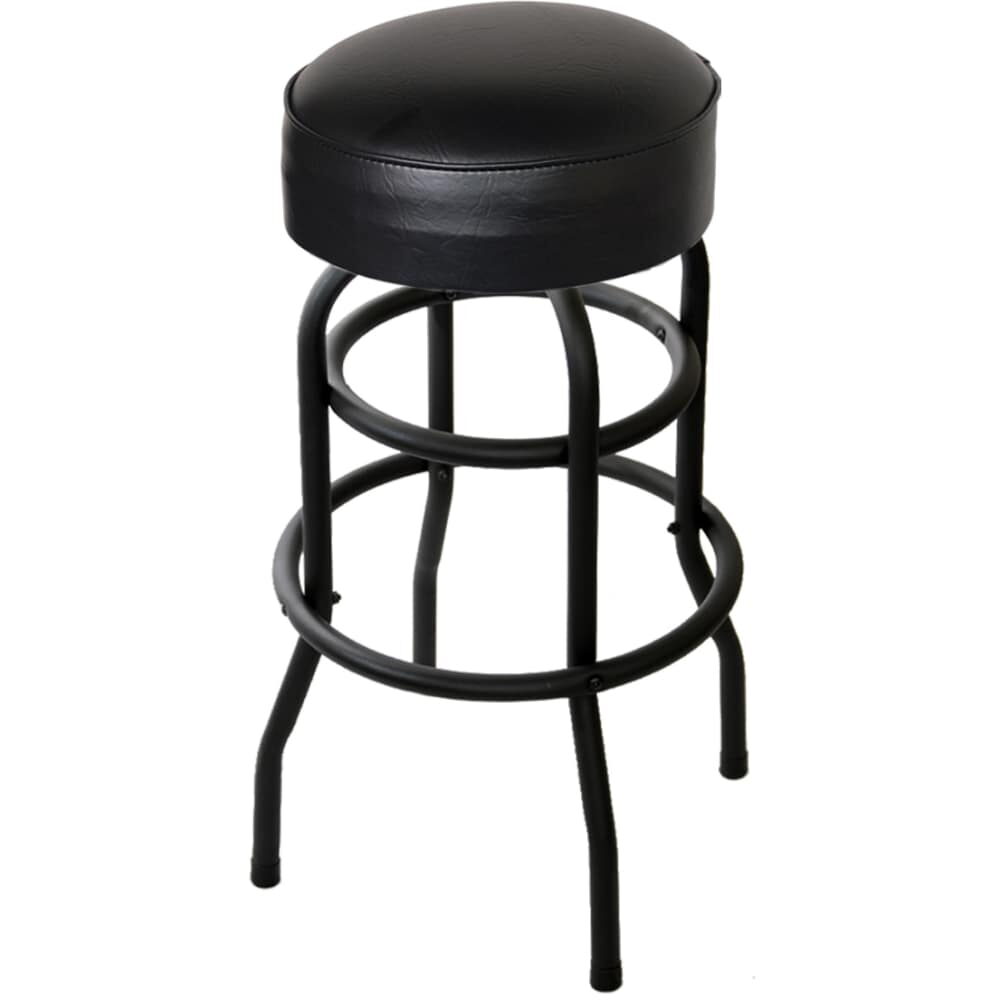
Seats run to vinyl on eight stools, wood on seven and fabric on two. Seven swivel, which helps at a bar that faces a screen or a stage. A backless swivel bar stool needs a square of floor 16 inches each way and stands 30 inches tall, a small footprint for a short counter run. In wood, a wood bar stool is listed at 19 by 19 inches and 28 1/2 inches high.
Listed heights matter here, since a backless stool has nothing to hide a mismatch. Bars at 40 to 42 inches want a seat near 29 to 31; counters at 34 to 36 inches want a shorter stool, and counter stools gathers those. Allow every backless seat between 24 and 30 inches of bar front, counted post to post, and use the tighter slots only where nobody swivels.
One stool here is listed for patio use; the other 17 belong inside. Single stools run from $79 to $160. For the same bar with backs, metal bar stools and swivel bar stools sit alongside. Save the bar to venue plans with its length and the spacing you chose.
Related reading