Table bases
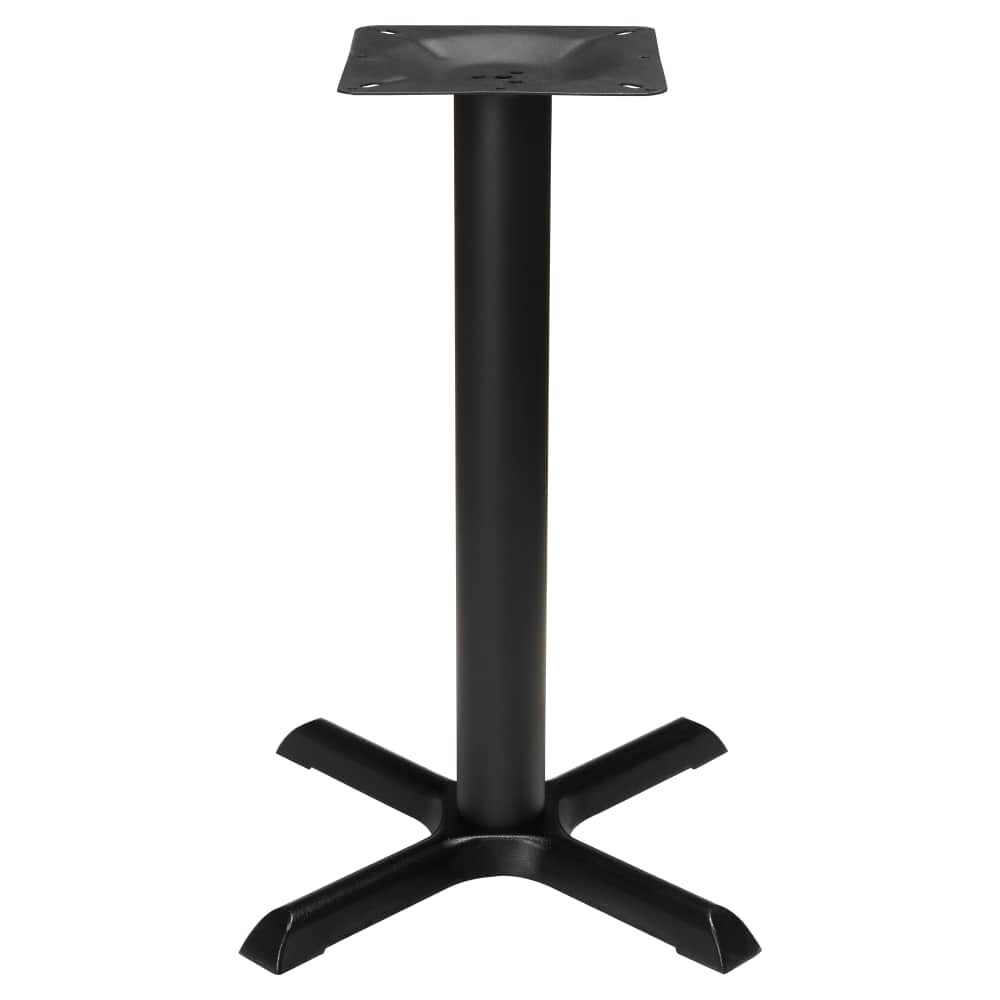
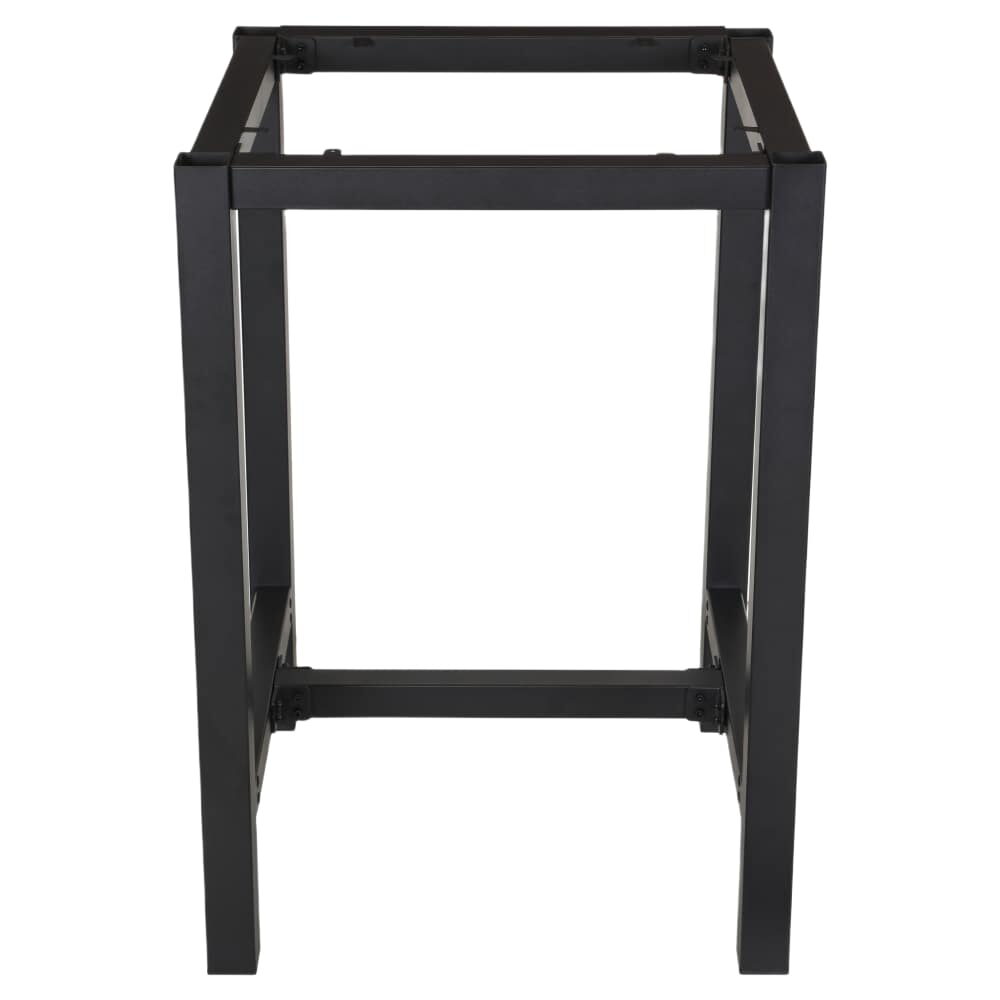
Table Base in X-Prong Cast Iron, Standard Height
- Cast iron base
- Indoor use
From $48.00Set the options
CompareSeat the room, then the details
A dining room full of small tables needs bases that stay put when a guest leans on one corner. These 34 bases are mostly cast iron, with steel and one stainless steel model among them, built to carry a top you choose separately.
34 listed products · Prices in USD · Options on each product
A closer look at this selection
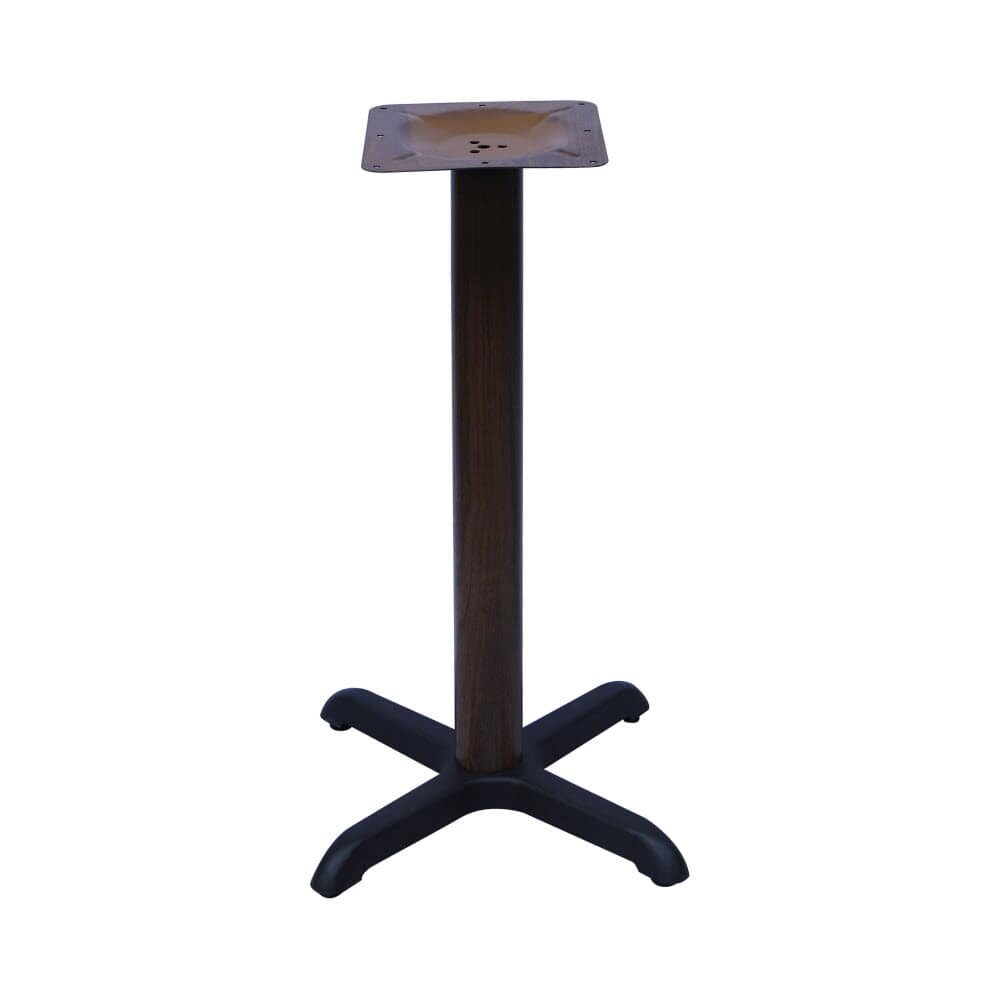
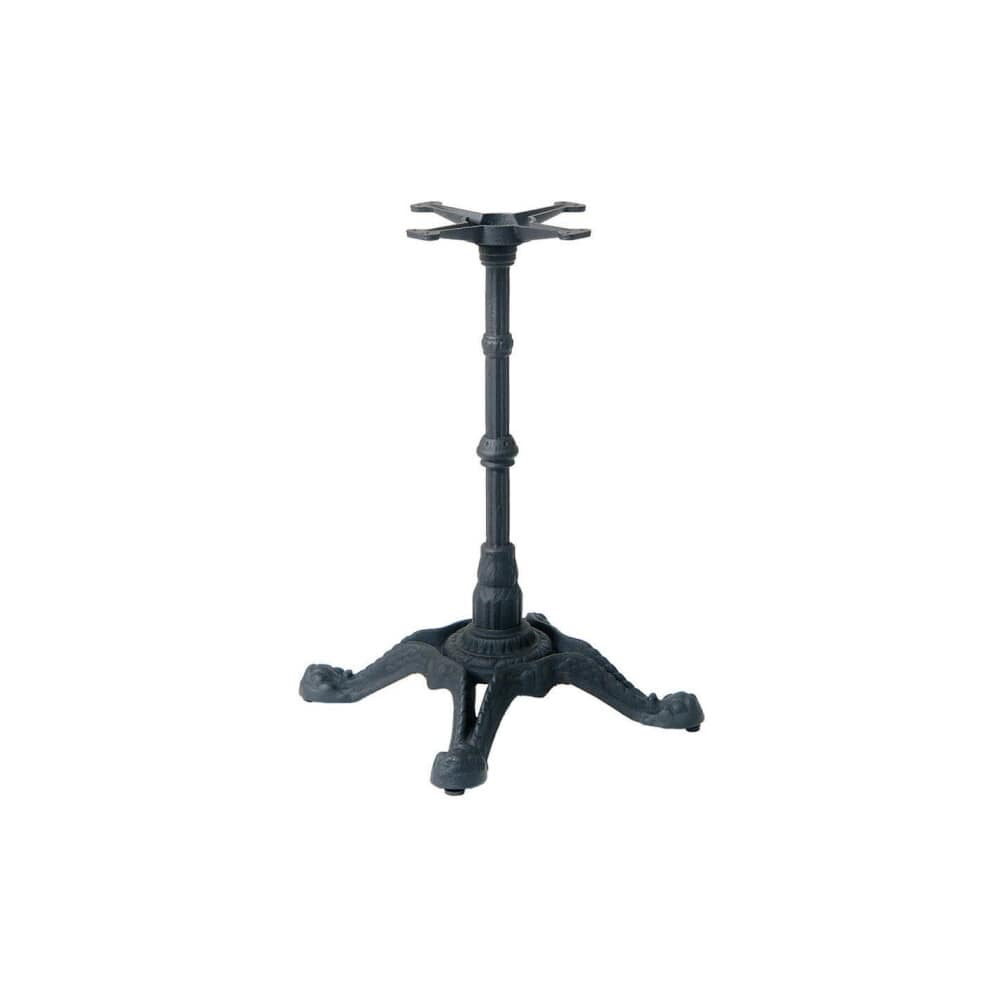
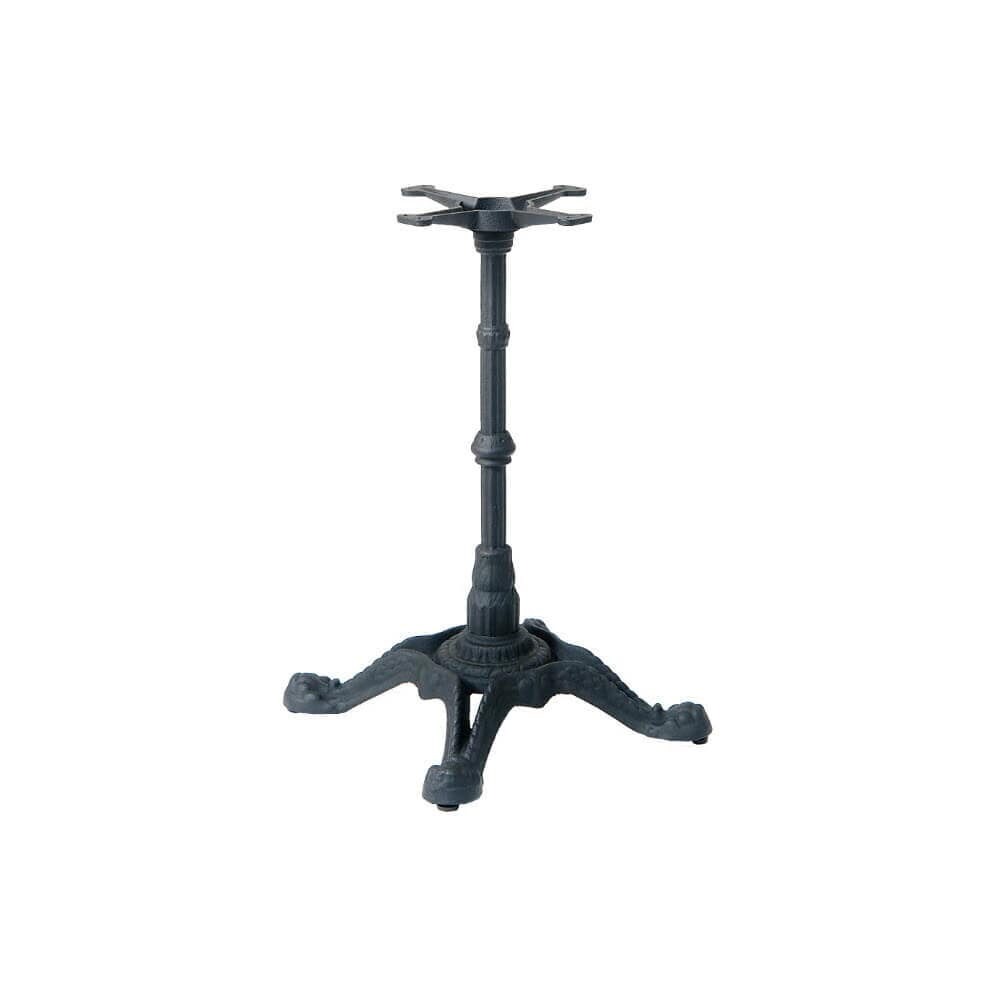
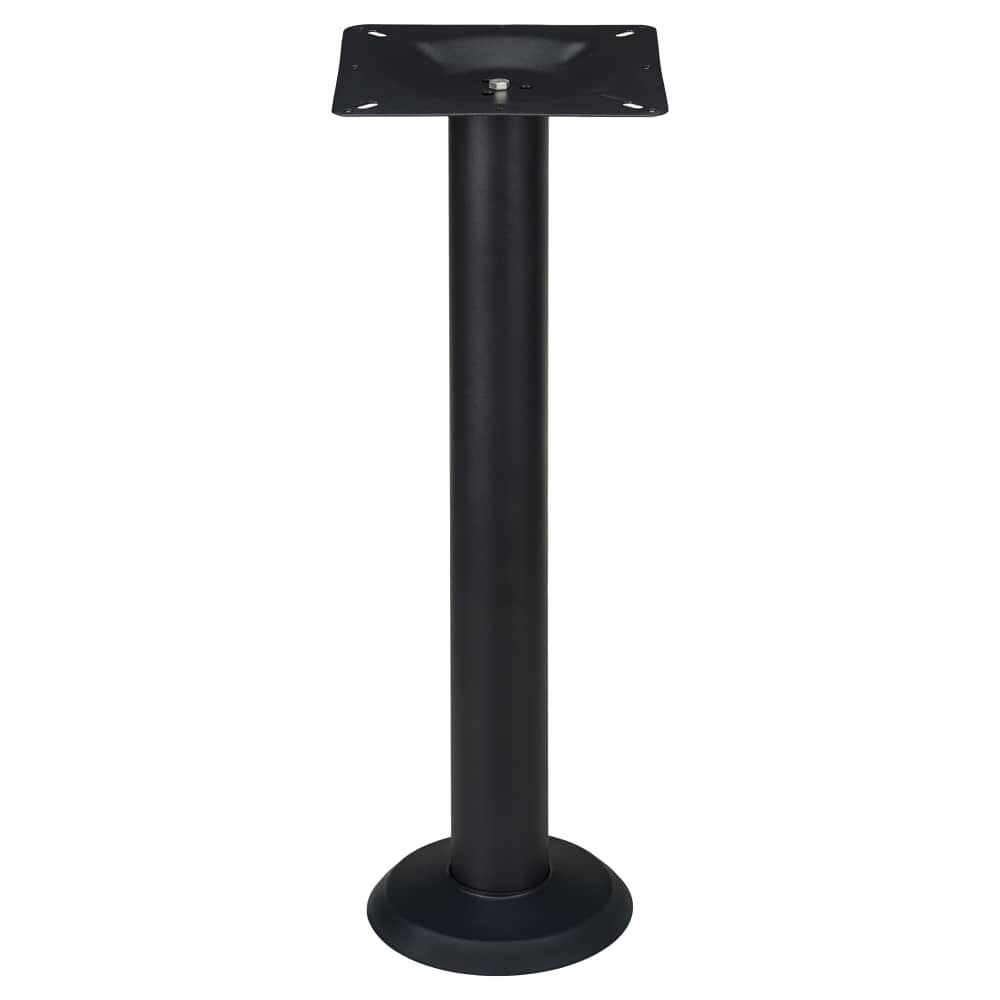
Actual product images. Open a piece to see its available options.
Table bases
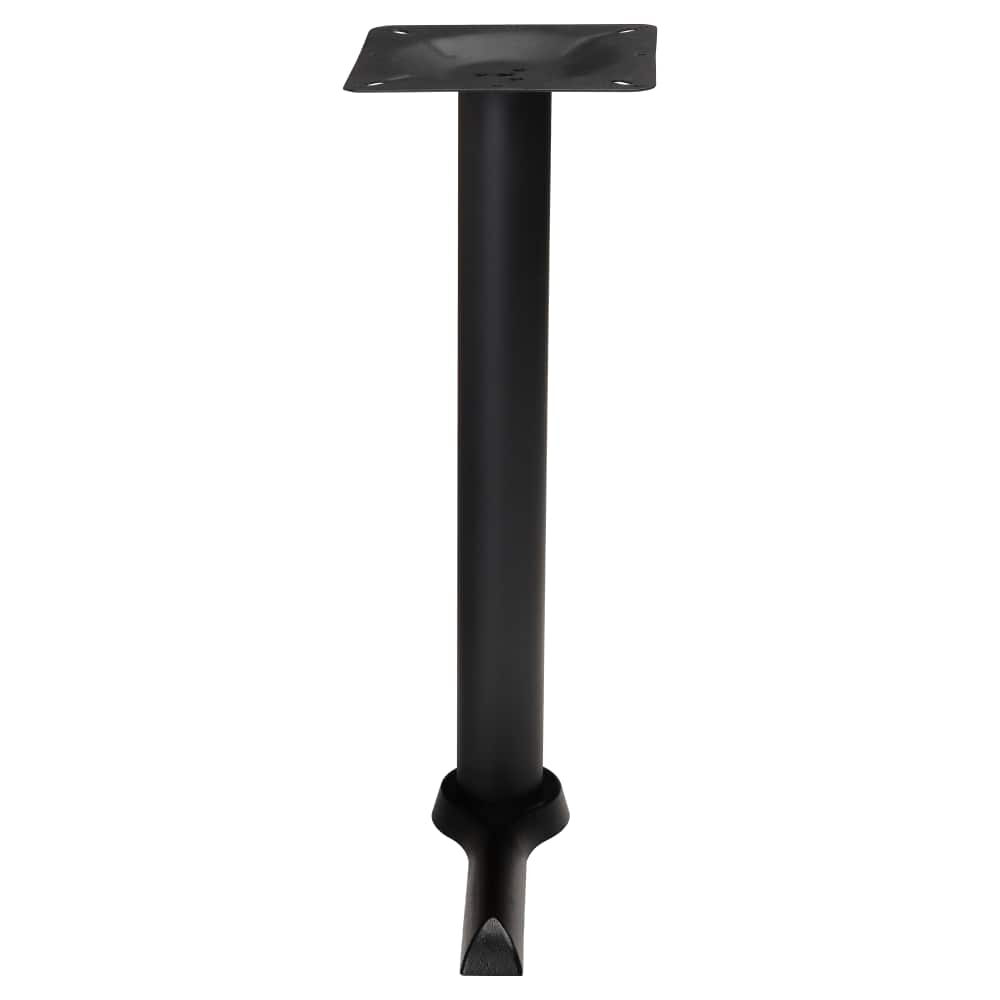
Table bases
Table bases

Table bases
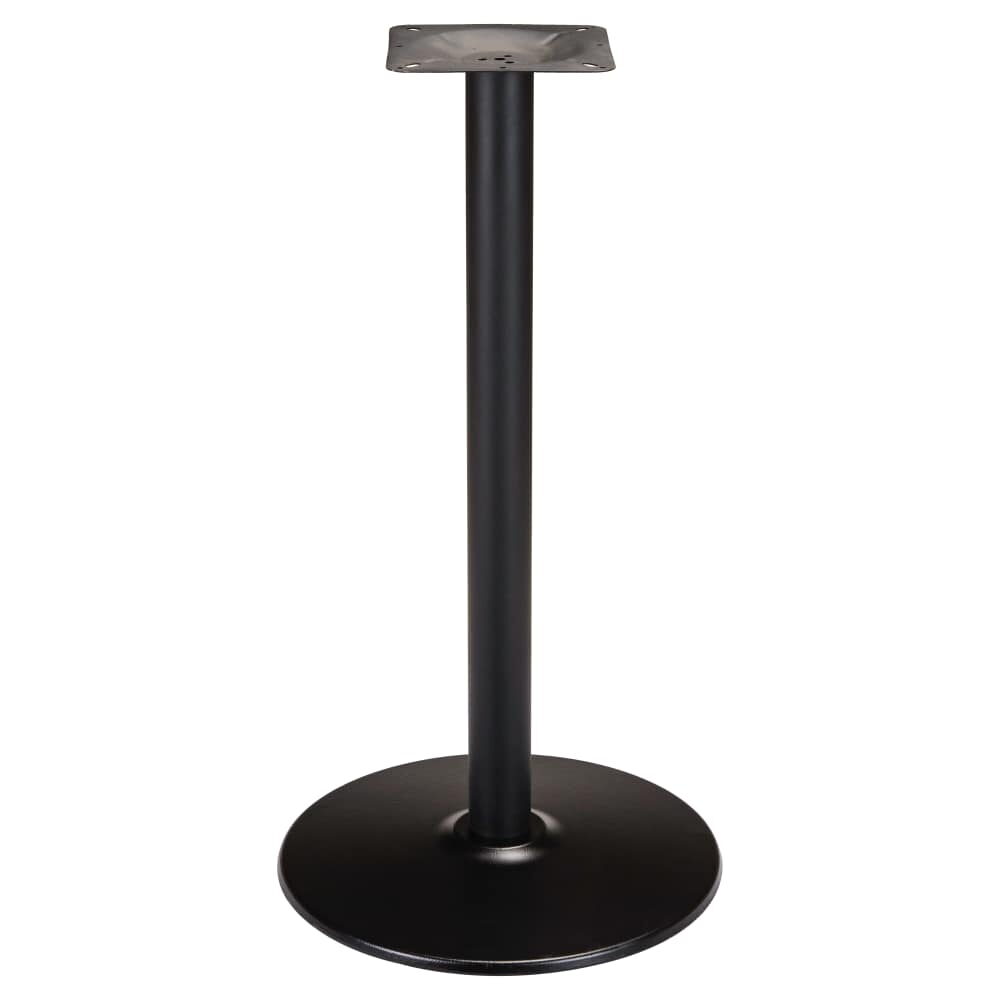
Table bases
Accessories
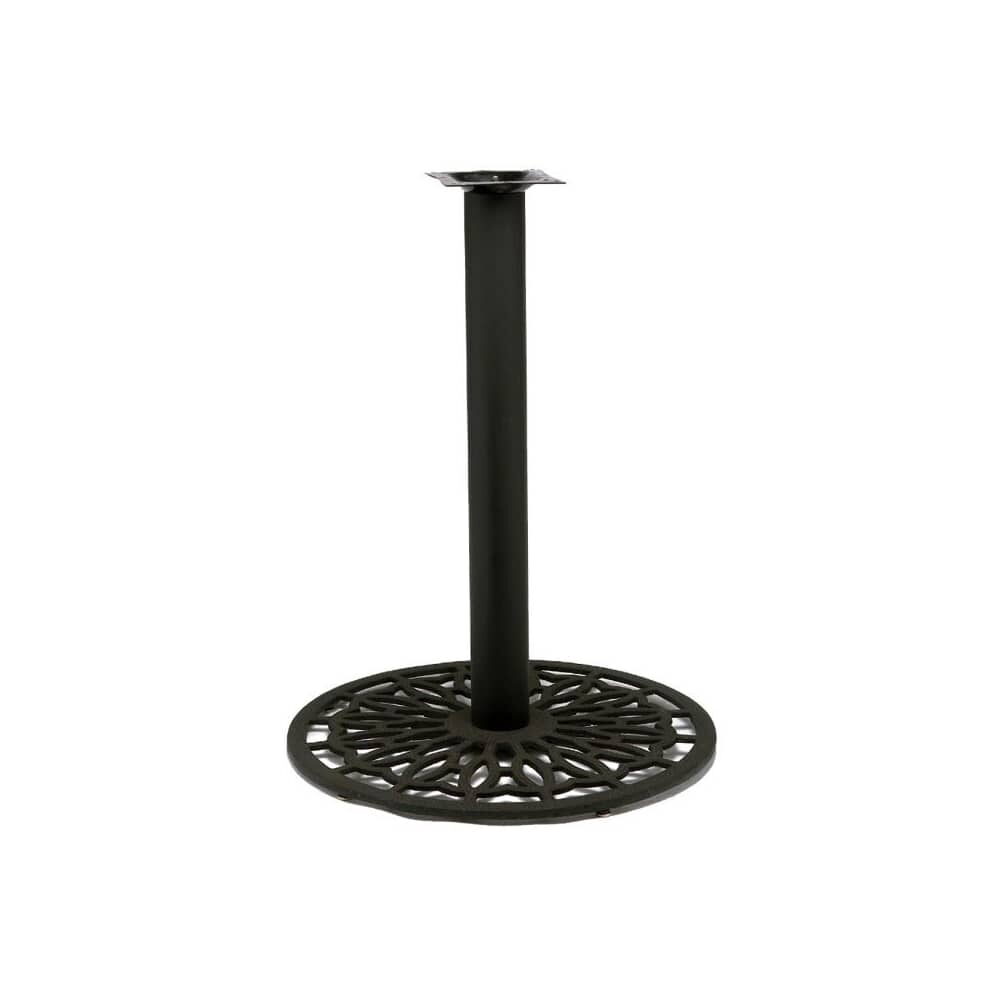
Table bases
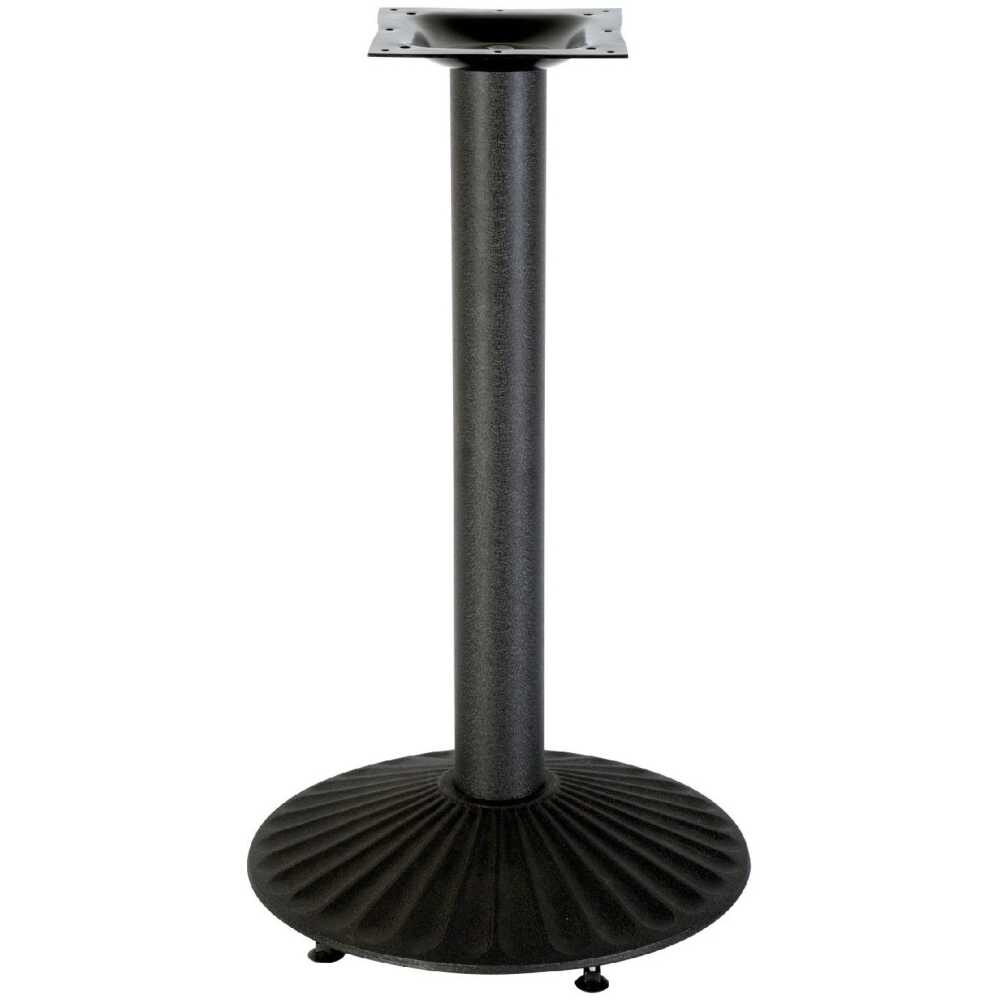
Table bases
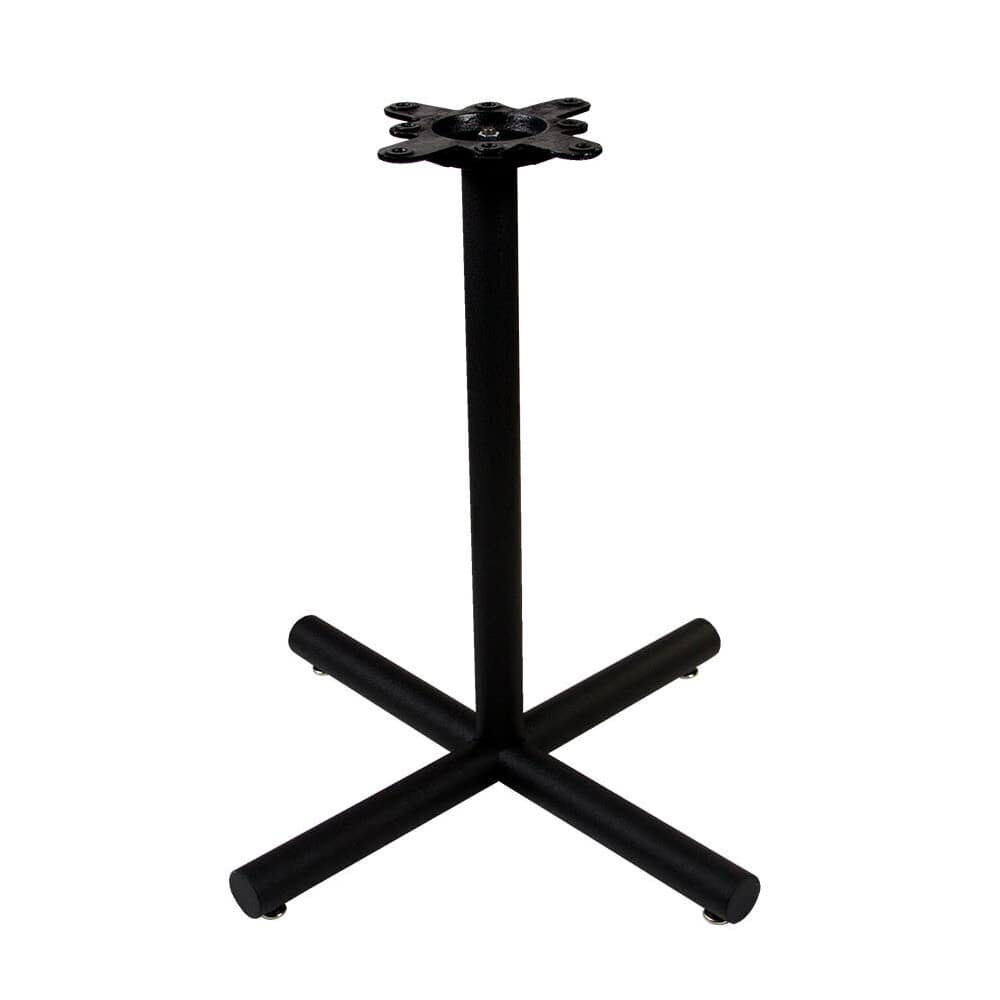
Table bases
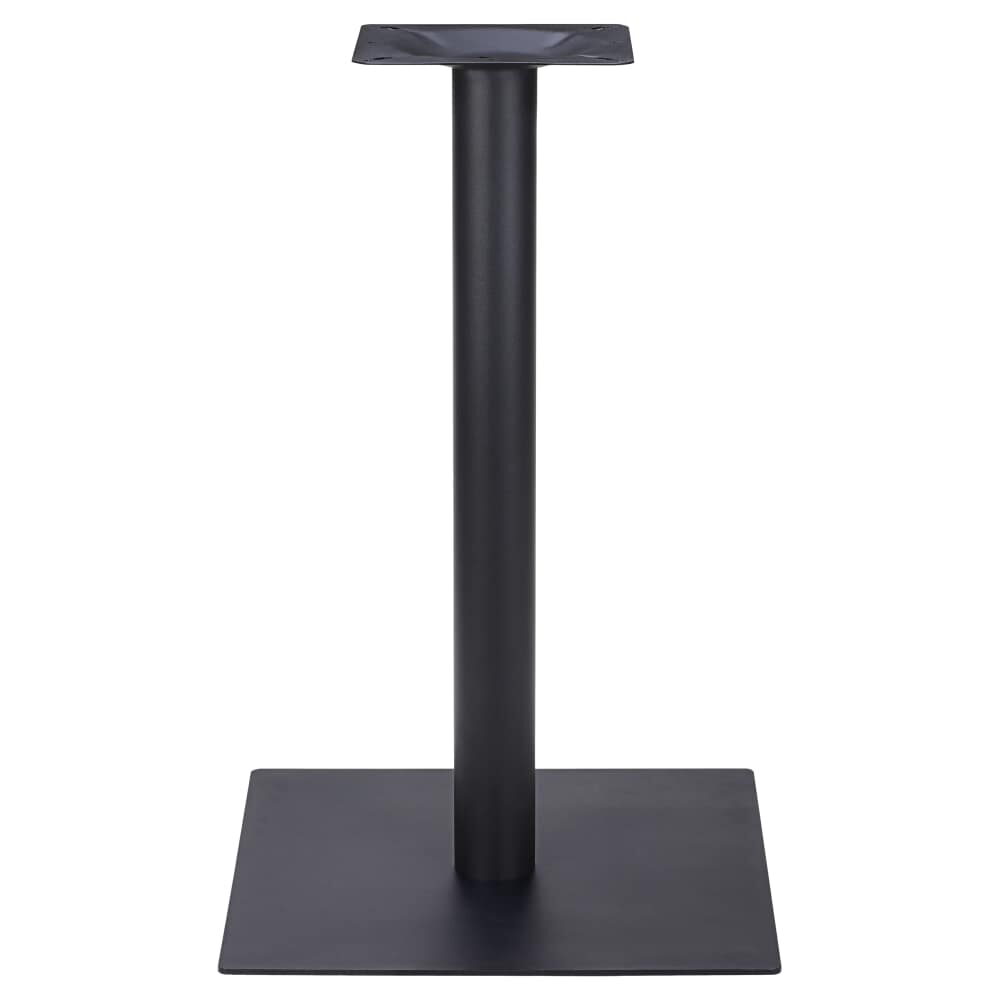
Table bases
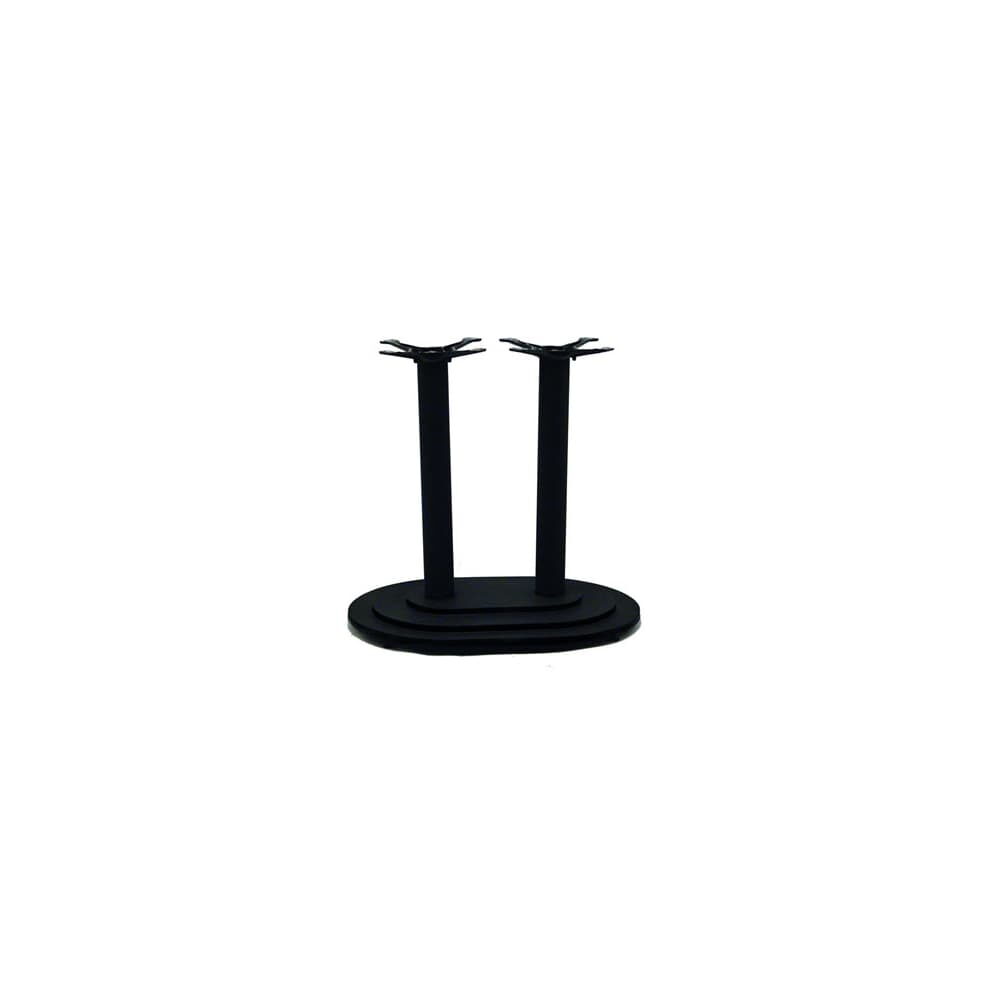
Table bases

Table bases
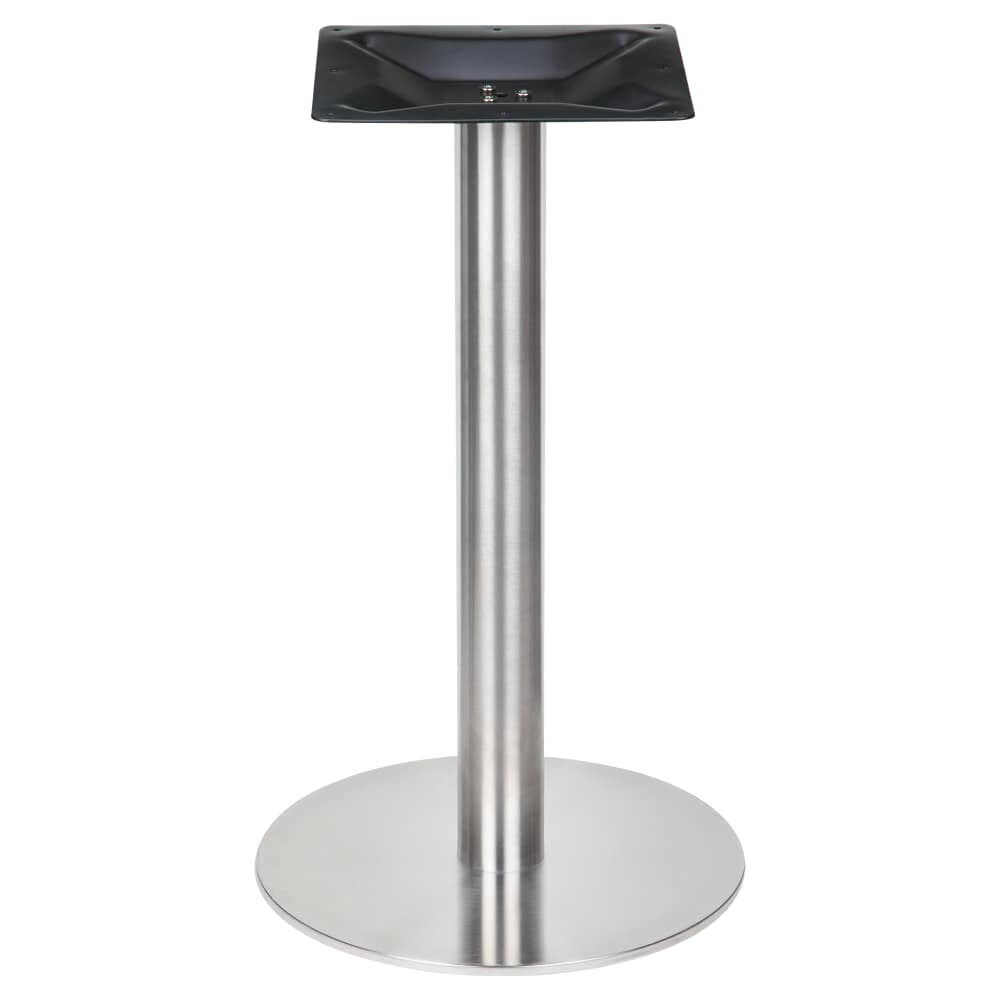
Outdoor
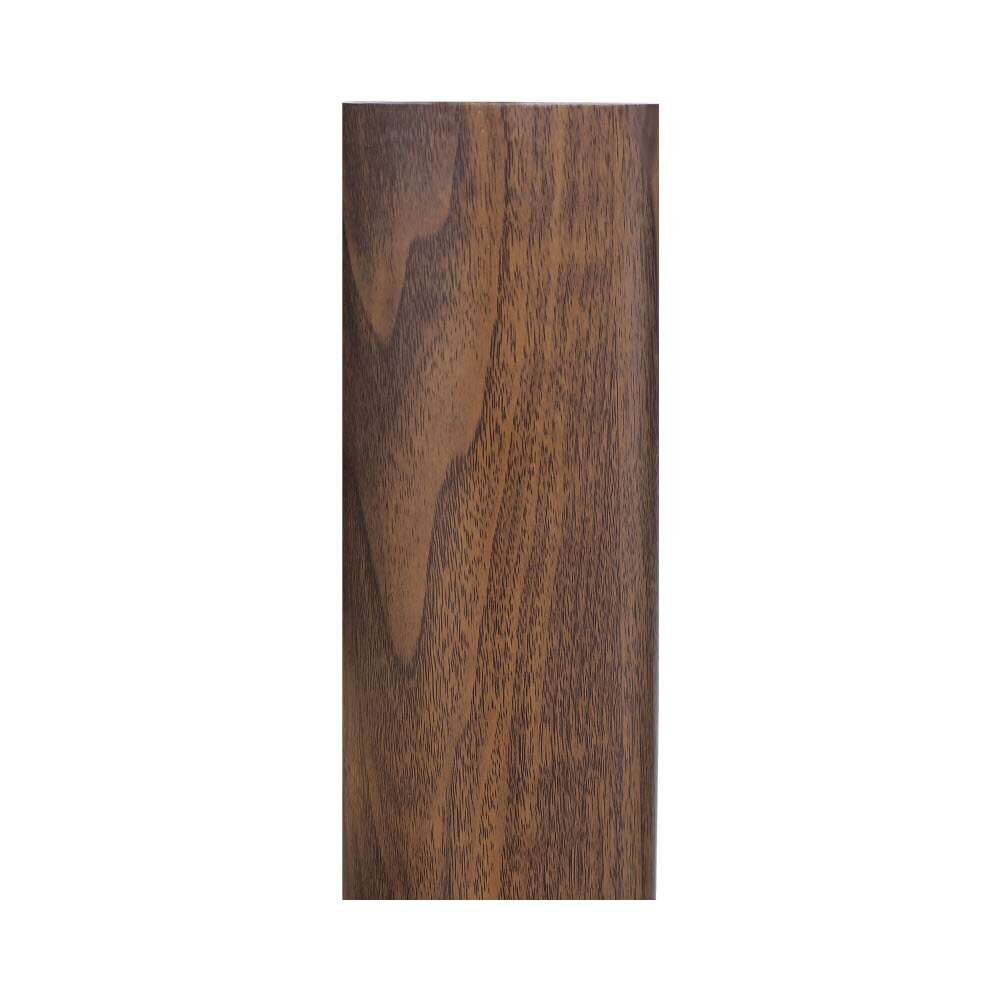
Table bases
Table bases
Outdoor
Table bases

Table bases
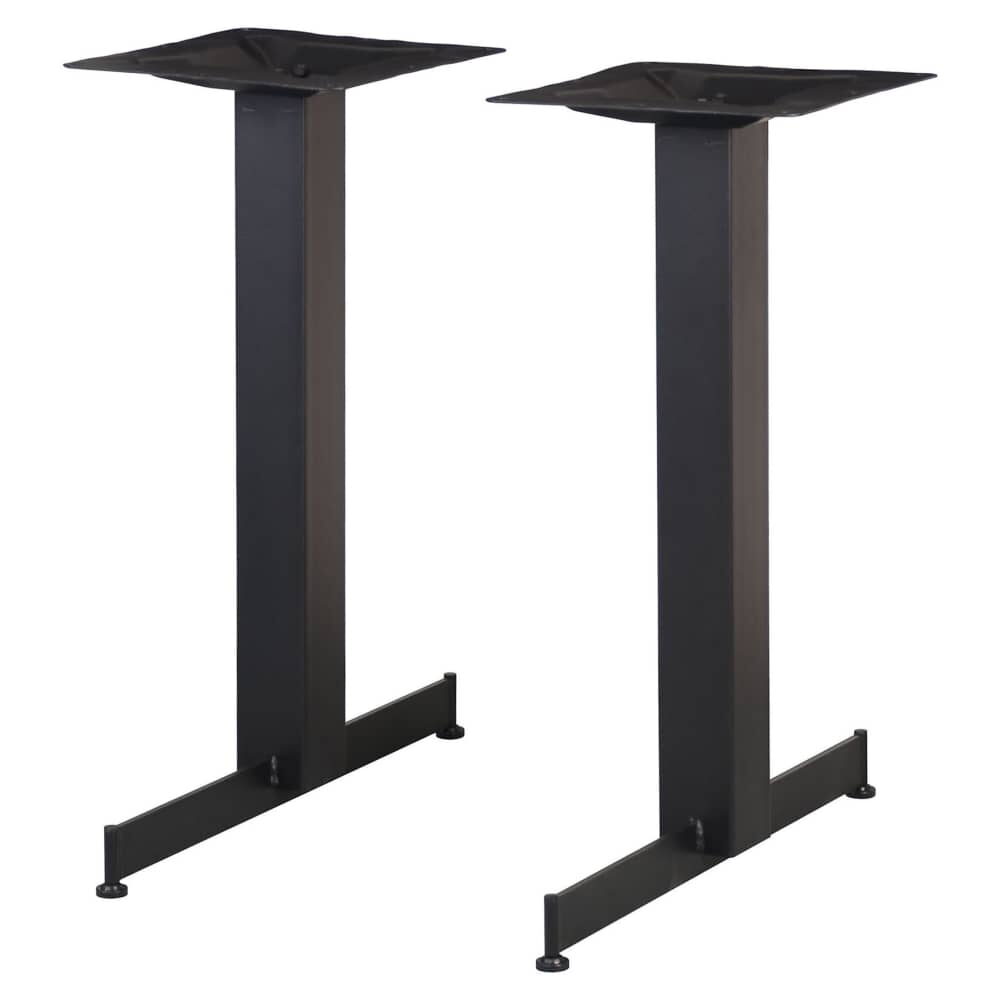
Table bases
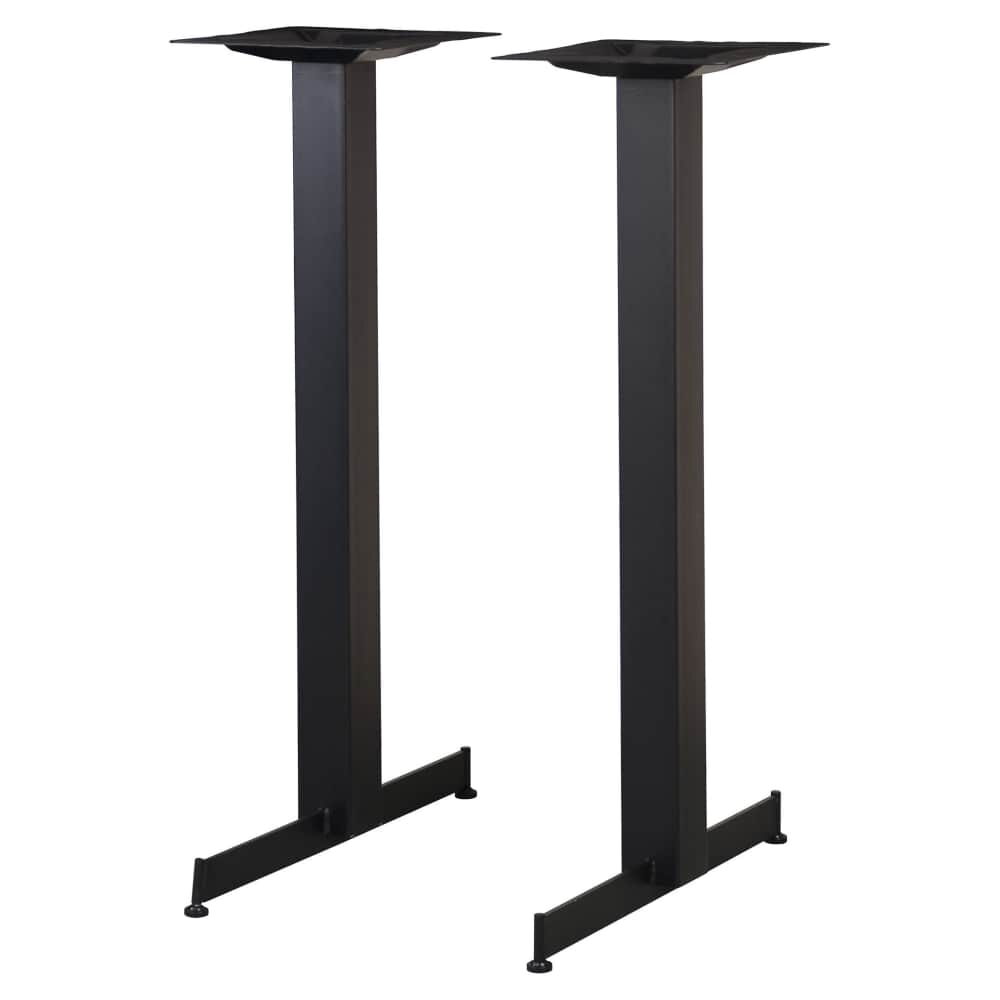
Table bases

Table bases
Table bases
Outdoor
Outdoor
Table bases
Outdoor

Table bases
Table bases
Outdoor
Outdoor

Outdoor
Outdoor
Cast-iron table bases
Think about the room this piece will live in before you settle on it. A banquet hall that clears every Sunday wants chairs that lift and stack, while a bar with regulars wants a stool that stays put. Save each choice to the venue plan for that room, with its finish noted, so a second order matches the first.
Note the finished table height you need, about 29 to 30 inches for dining, before you pick from cast-iron table bases, and size the spread to the top you plan to carry.
Check the stated base footprint, column height, and top compatibility. Keep any mounting information with the tabletop selection so the finished assembly can be reviewed together.
Review the base height, footprint, and stated top compatibility before choosing the finish. Check the top material and mounting requirements as part of the same decision.
A dining room full of small tables needs bases that stay put when a guest leans on one corner. These 34 bases are mostly cast iron, with steel and one stainless steel model among them, built to carry a top you choose separately. Pick the top first, then a base whose spread and column suit it.
Hold the top's measurement in your hand before you browse. For a round top, divide the diameter by three and double it; that is the smallest spread to accept: about 20 inches for a 30-inch round, about 28 for a 42-inch one. For a square or a rectangle, the feet should reach well toward the corners, and an X-shaped foot often does that better than a disc; the X-prong table bases page gathers those.
Fourteen bases here are listed in cast iron, six in steel and one in stainless steel. Cast iron is the long-standing choice under a dining room two-top or four-top, the tables guests lean on through a long dinner.
Most dining tables finish near 29 to 30 inches. A bar or a high-top area needs a taller column, and bar-height table bases holds those. For the everyday dining room, standard table bases collects bases at dining height in every material, and cast iron is one part of it.
Think about the chairs too. A wide foot can catch chair legs at the corners of a small top, so for a two-top set close to the wall, a narrower foot leaves the guest's knees and the chair's legs clear of each other.
Each base here is listed for indoor rooms, and only two of them for the patio as well. Keep the others away from the terrace, and pair outdoor bases only with tops that are also listed for patio use.
Round plates suit round tops and sit cleanly under the table's center. For square tops, square table bases carry a plate that follows the corners. Round table bases sits alongside for the two-top by the window.
Single bases run from $43 to $135, so a dining room of 20 tables can be priced quickly once the top sizes are fixed. Write each pairing, top size and base, into venue plans, and the next room or the next location can repeat the order without measuring twice.
Related reading