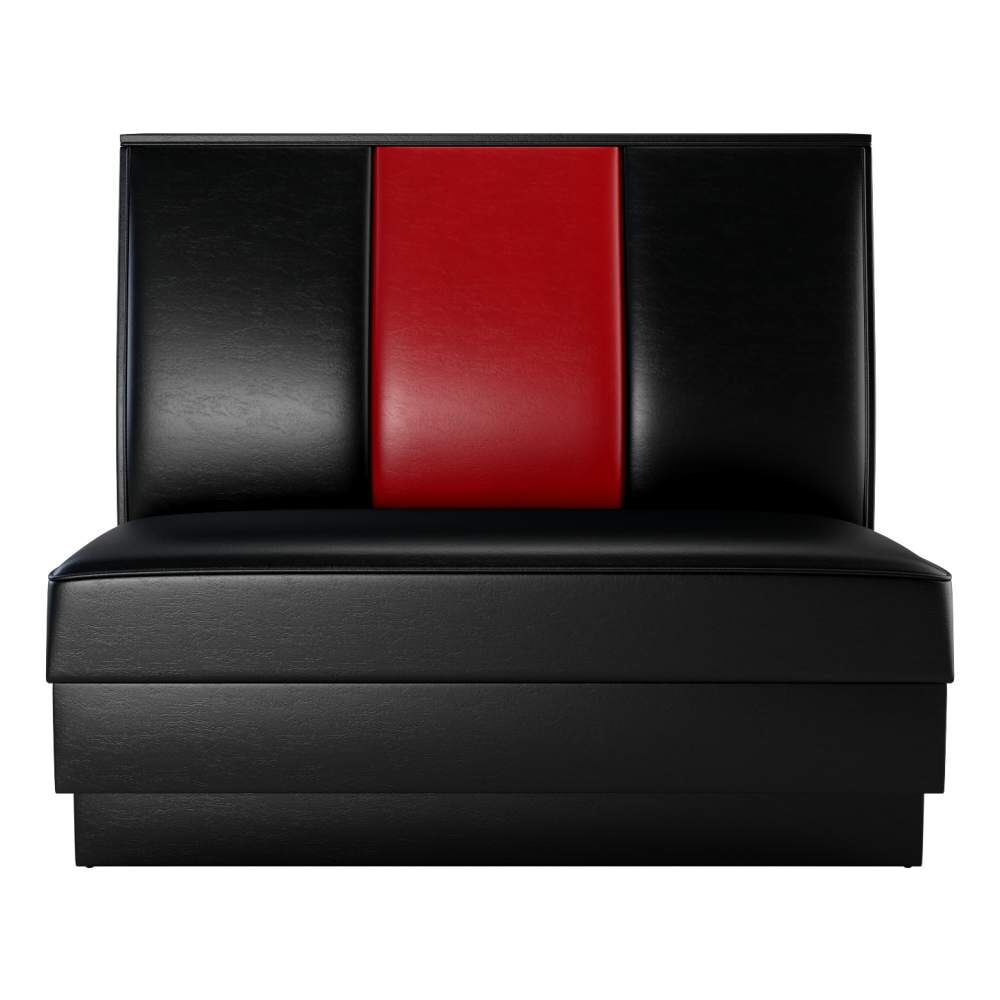
Seat the room, then the details
Half-circle booth seating
A half-circle booth curves around a round table, and the party faces itself instead of a wall. This group holds 8 styles, every one with upholstery choices.
8 listed products · Prices in USD · Options on each product
A closer look at this selection
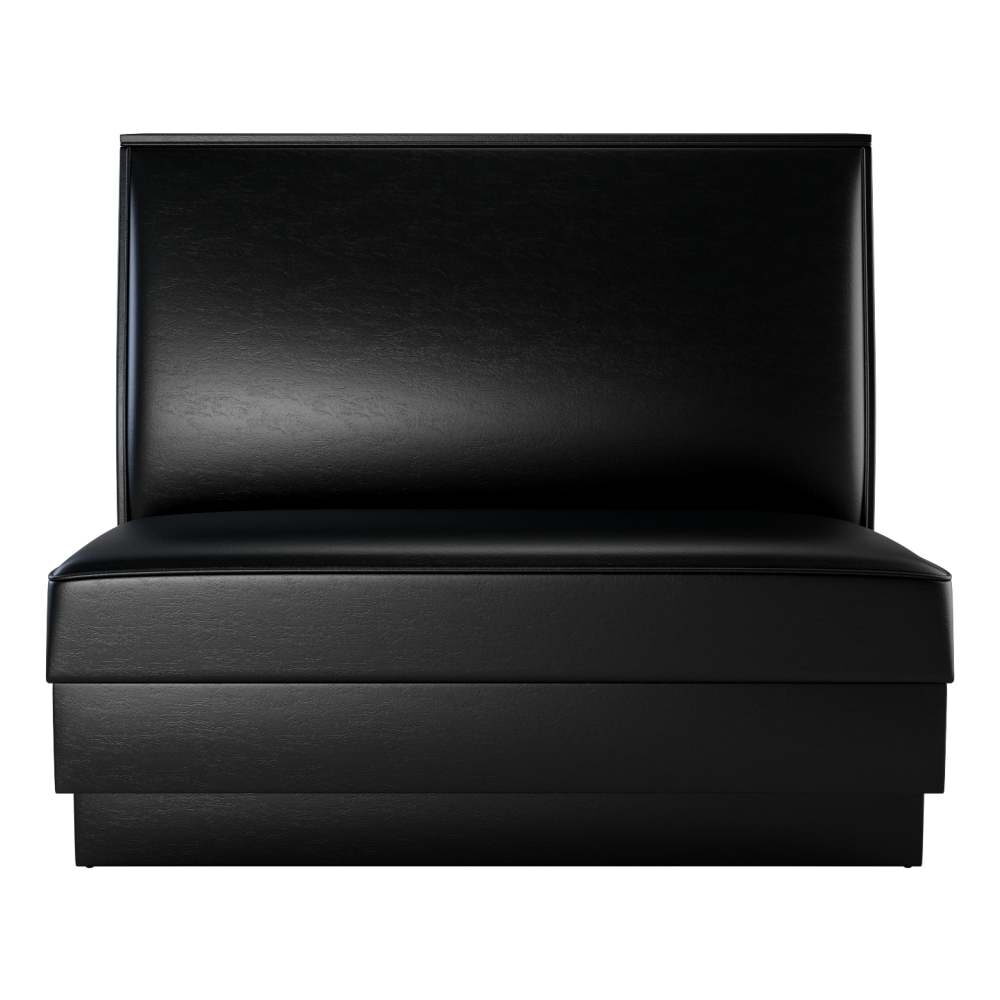
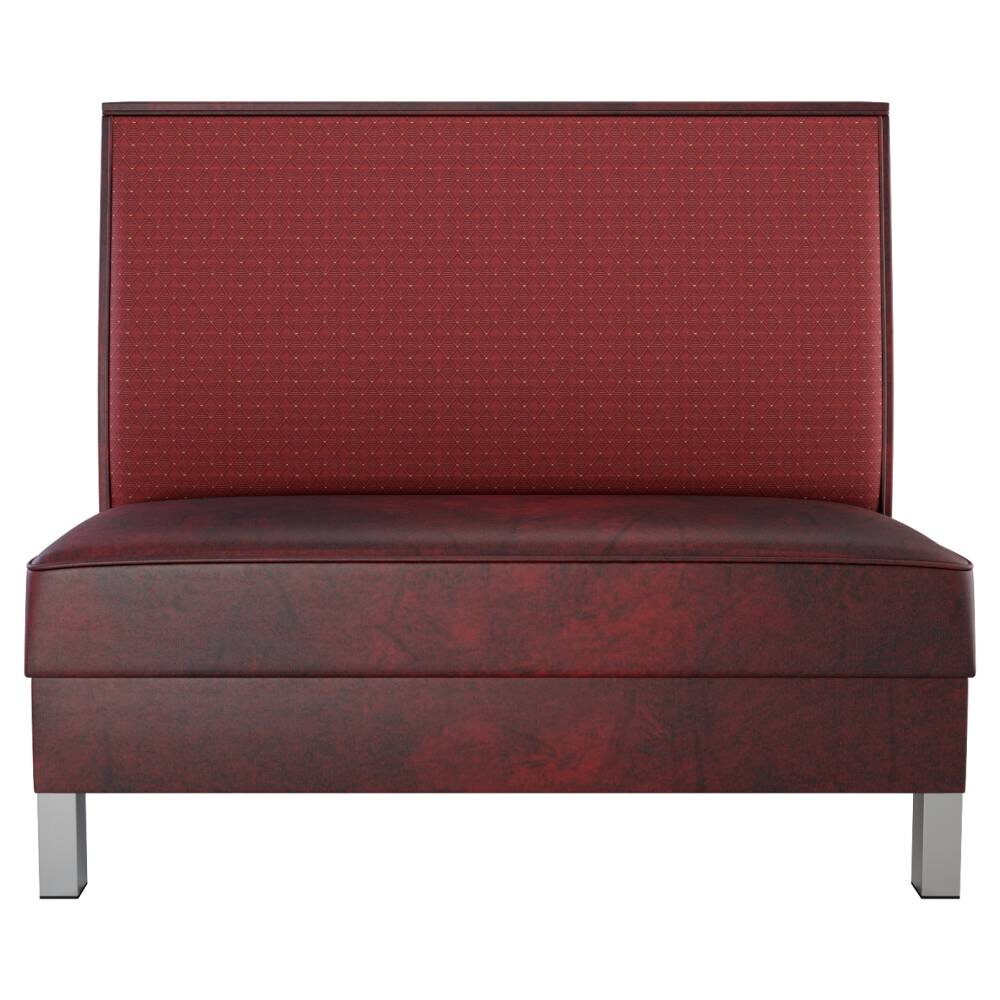
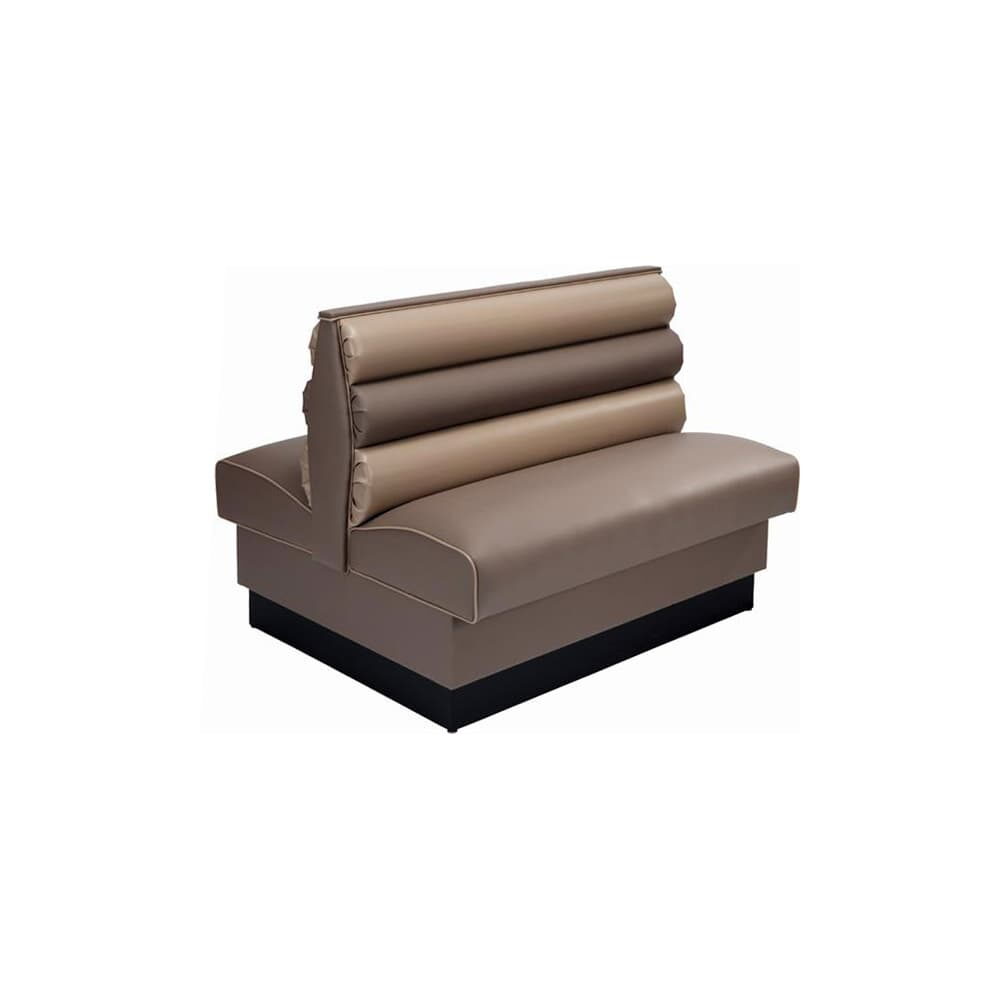
Actual product images. Open a piece to see its available options.
Other furniture departments
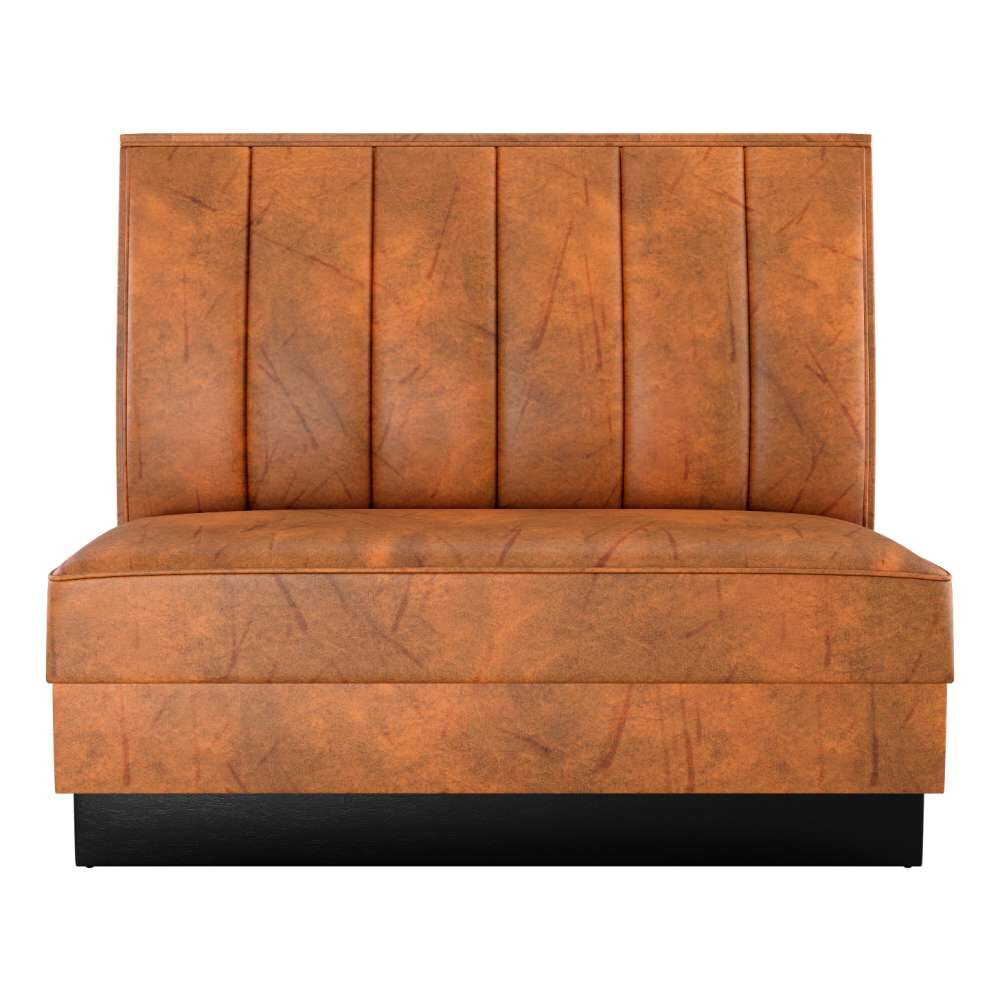

Half-circle booths
Match the furniture to how each room is used
Think about the room this piece will live in before you settle on it. A banquet hall that clears every Sunday wants chairs that lift and stack, while a bar with regulars wants a stool that stays put. Save each choice to the venue plan for that room, with its finish noted, so a second order matches the first.
Curved booths face the room, so place half-circle booths where a party can see the floor, and pick a table the curve can reach from every seat.
Plan the curved arrangement
Check the listed dimensions of the curved booth and the position of its opening. Pair the table shape and support with that arrangement, keeping the entry space visible in the room plan.
Draw the arrangement
Record the wall length, returns, and table positions before selecting booth units. Check whether a listing describes a single unit, a double, or another arrangement, and count the actual units required.
A half-circle booth curves around a round table, and the party faces itself instead of a wall. This group holds 8 styles, every one with upholstery choices. Your first decision is the table: its diameter sets the size of the curve and how many guests the booth seats, so choose the round before you choose the back.
Start with the round table
The booth follows the table, never the other way. As a planning figure, four guests suit a 42-inch round, and a party of five or six wants 48 inches across. Pick the size from the parties you actually seat on a Friday, then let the booth's curve match it. Too small a table leaves guests leaning across a gap; too large a one pinches knees at both ends. Measure the floor space as well: a half circle needs room in front of its open side for guests to step in from either end and for a server to reach the center of the table.
Backs and covers
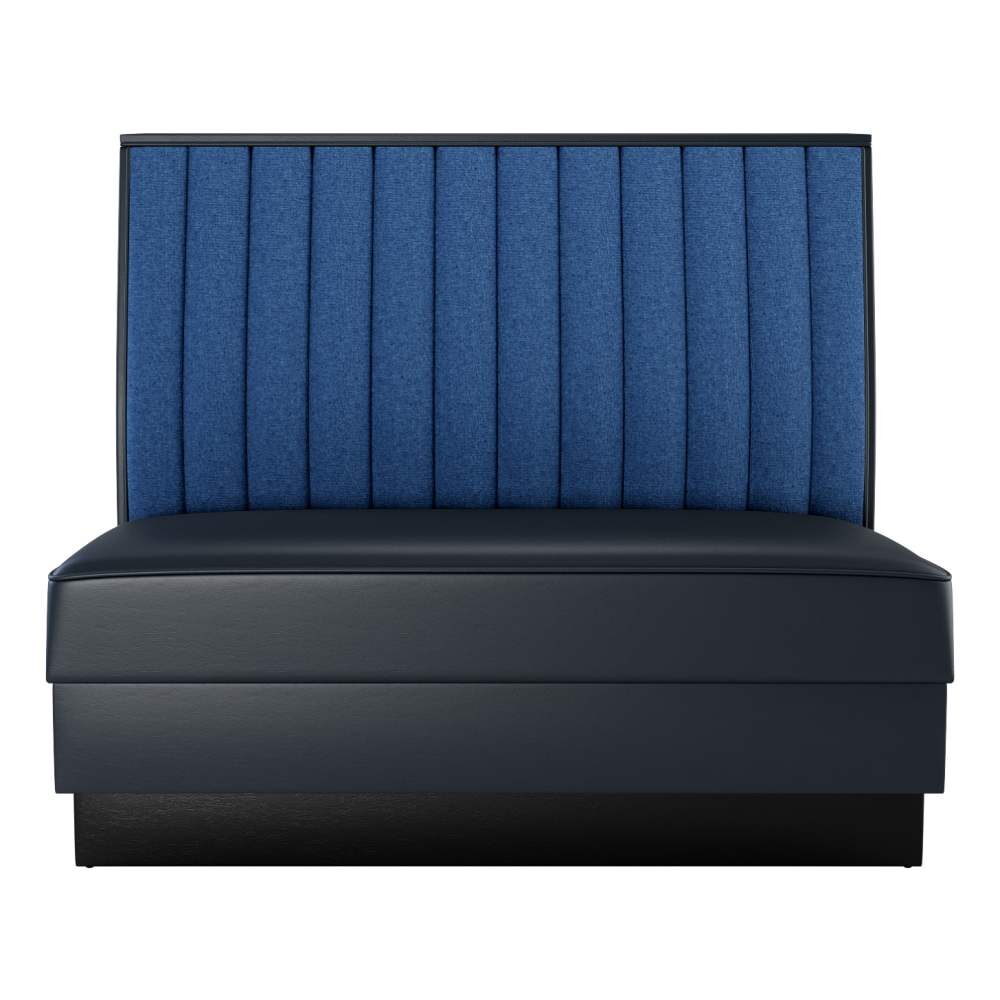
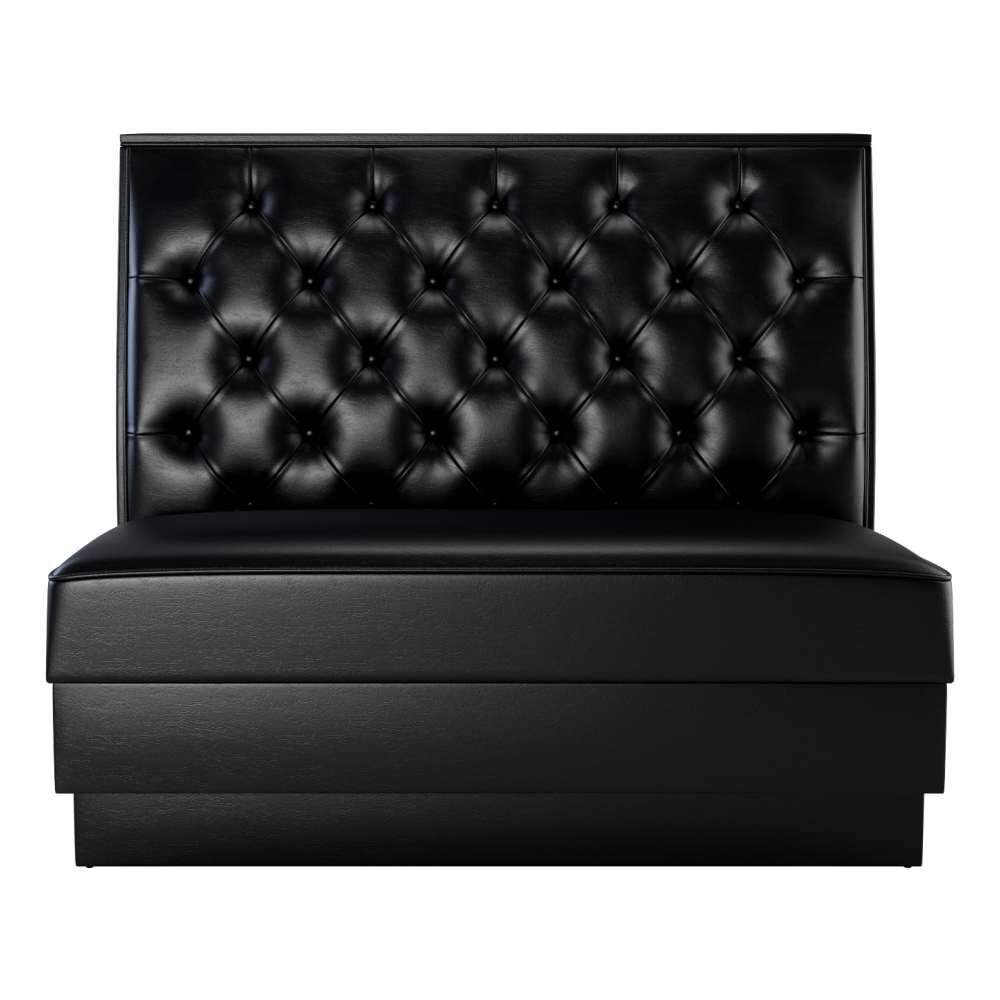
The shape stays the same across this group while the back changes. A 12 channel booth wraps the curve in narrow vertical rows, and on its product page the base can be a black kick base, wood legs or metal legs. The button tufted back booth suits a club or a hotel bar where the round table is the room's best seat. Plain backs keep a busy restaurant calm. Expect a starting price around $198 for the simplest style here.
Vinyl or fabric covers the back and seat. Order a swatch to see the color in your own light, since a screen will not show it truly.
One curve among straight lines
Most dining rooms use a half circle as an accent: one or two along a wall of straight units, or in the bay of a window where a square table would leave dead space. Regulars who book the same round every month will notice if its cover differs from the rest of the wall, so keep one cover across the run. A deeper curve that nearly closes around the table sits in three-quarter-circle booths. A corner without room for a round is a job for L-shaped booth seating. If you need a booth built to a particular length or layout, start from configurable booths.
Upholstery outside the listed options makes the booth a custom item, which takes longer to produce, needs a 40% deposit and cannot be cancelled once confirmed. Booths sit outside the eight-piece minimum. Draw the round, the curve and the aisle in your Venue plans sheet for that room before ordering.
Related reading